

Recommended Discounts

Where Winds Meet
This Top Up service is not applicable to Playstation User.
20% OFF
Related articles


Building a Guild in Where Winds Meet: Complete Cost Analysis
Building a Guild in Where Winds Meet requires reaching level 20 and paying 300 Echo Jade Coins. You can choose from three distinct sect types—Bladesworn Gang, Farshore Hall, or Changle Pavilion—each offering unique gameplay focuses. Establishing a base supports up to 60 members, with facilities like the Hall of Heroes boosting Treasure Token acquisition rates for the collective.
Buffget
The Weight of Leadership
Establishing a guild shifts gameplay from individual progression to collective management. This system allows you to construct permanent bases, manage economies, and engage in large-scale PvP conflicts. However, the financial and logistical demands require careful planning. To ensure you have the necessary capital for these initial expenses, many leaders opt to buy Where Winds Meet Ingots through buffget. This platform offers competitive pricing and secure transactions, allowing you to focus on strategy rather than grinding.
Understanding Guilds in Where Winds Meet
Lore and Mechanics
Guilds function as persistent organizations within the game world, offering structural benefits beyond simple social grouping. The mechanics encourage cooperation through shared resource pools and facility construction. You must choose a specific guild type during creation, which dictates the faction's focus and available activities.
Benefits of Establishing a Sect
Creating a guild provides access to exclusive facilities that enhance character progression:
- Hall of Wonders: Unlocks masters for rare skills.
- Hall of Heroes: Increases the acquisition rate of Treasure Tokens (essential for outfits and emotes).
- Cargo Warehouse of the Four Seas: Increases the maximum guild fund capacity for larger-scale projects.
Prerequisites and Creation Guide
Requirements
- Level: 20
- Cost: 300 Echo Jade Coins (Premium currency)
Step-by-Step Creation
- Press Esc to open the main
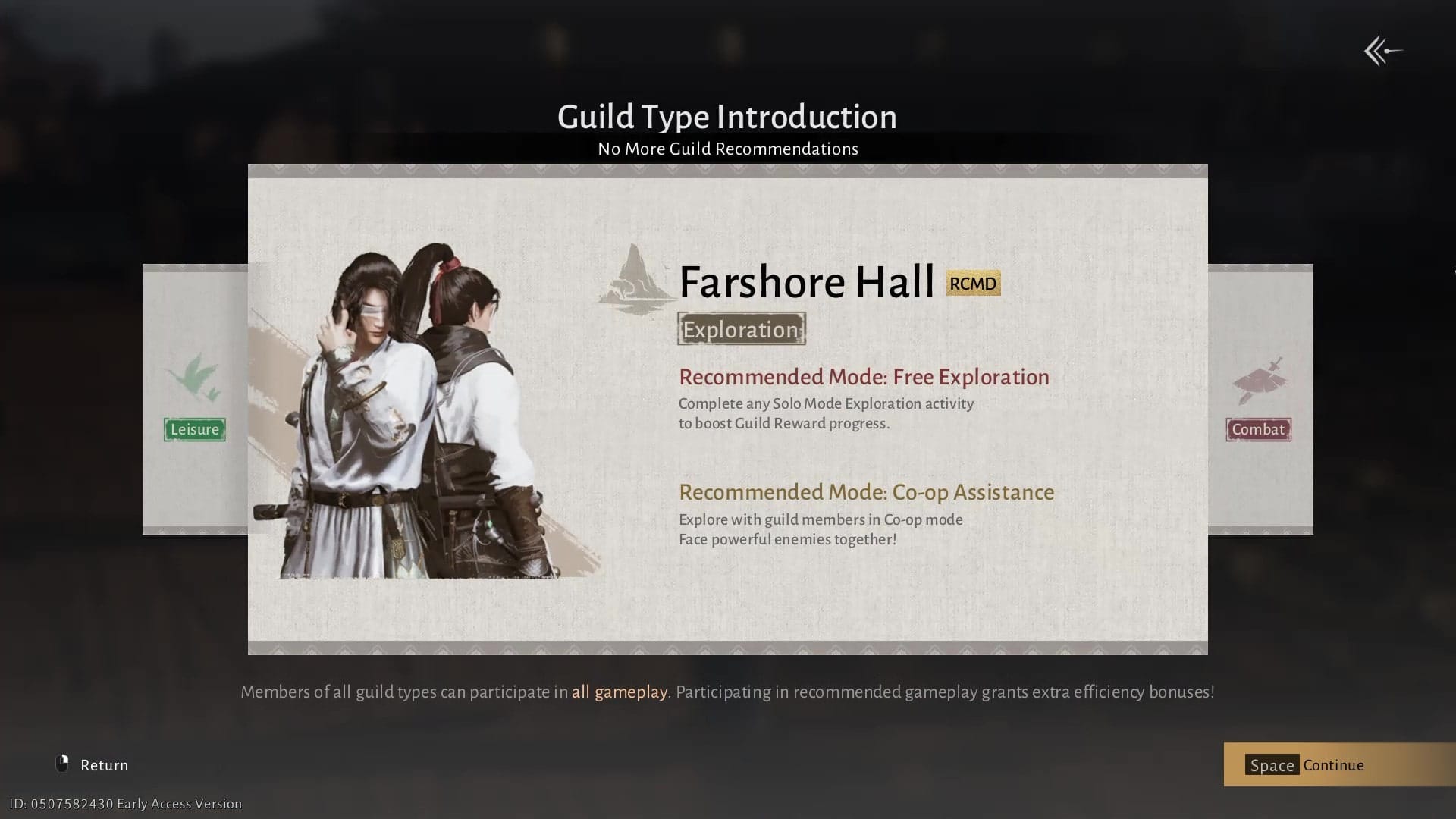
menu. 2. Select the Guild icon. 3. Click Create Guild. 4. Confirm the payment of 300 Echo Jade Coins.
Choosing a Sect Type
After payment, select your guild type. This choice dictates your gameplay focus:

- Bladesworn Gang: Focuses on Combat PvP. Ideal for competitive players.
- Farshore Hall: Focuses on Exploration co-op. Suited for PvE groups.
- Changle Pavilion: Focuses on Leisure minigames and banquets. Best for social players.
Finalize your setup by entering a unique guild name, designing a banner, and setting join rules (open or invite-only).
Comprehensive Cost Analysis
Initial Registration Fees
The upfront cost is fixed at 300 Echo Jade Coins. This grants the guild a basic level and access to the initial interface. Be aware: this is a sunk cost. There is no mechanism to reclaim these funds if the guild is disbanded.
Tier 1 to Tier 2 Upgrade Costs
Progression introduces permanent upkeep costs. Every guild level adds a percentage multiplier to maintenance costs. Specific upgrades carry material requirements:
- Member Capacity Upgrades: Add permanent upkeep costs that cannot be reduced.
- Pavilion Types: Incur higher maintenance costs compared to standard structures.
Tier 3 and Beyond: The Price of Power
Advanced construction requires significant resource investment:
- Platform: 2 Stamina, 25 Timber.
- Stone Platform: 2 Stamina, 8 Raw Ore.
Critical Warning: You cannot reduce member cap, undo pavilion upgrades, revert guild level, or lower building level once constructed. Managing these rising costs often requires a steady influx of currency. Utilizing a trusted service for Where Winds Meet recharge ensures your guild funds remain healthy for upgrades. Buffget provides fast delivery and excellent customer service to keep your operations running smoothly.
Essential Resource Farming Strategies
High-Yield Locations
Resource acquisition is tied to specific environmental interactions:
- Timber: Attack trees found throughout the world.
- Raw Ore: Mine ore nodes.
- Pro Tip: Use a jump ground-slam on ore nodes to maximize mining efficiency.
Construction Material Breakdown
Different structures require varying material inputs. Prioritize gathering based on your build plans:
- Windowed Wall: 1 Stamina, 1 Timber, 1 Raw Ore.
- Plank Wall: 1 Stamina, 2 Timber.
- Platform: 2 Stamina, 25 Timber.
- Stone Platform: 2 Stamina, 8 Raw Ore.
Strategic Location Selection
Guild base building is currently active on CN servers (unavailable on global servers). On CN servers, leaders can press F4 to activate guild base construction mode.
Permissions: Only the Guild Leader, Deputy Leader, Officers, and Elders can place buildings.
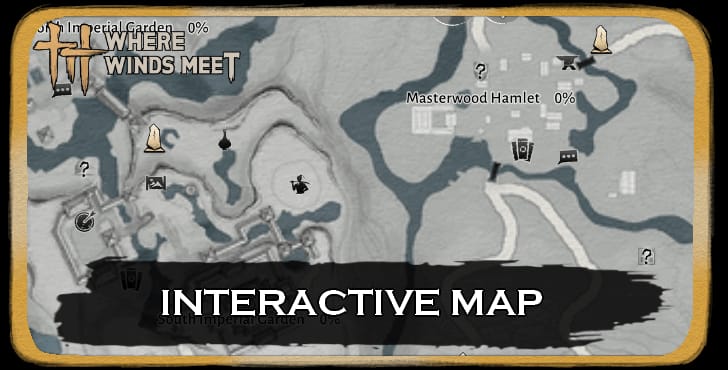
Location Strategy: Select a spot with proximity to resource nodes like trees and ore veins to minimize transport time during construction phases.
Managing Guild Economy and Upkeep
Maintenance Fees
The economy is designed with inflationary pressure:
- Every guild level adds a percentage multiplier to maintenance costs.
- Member capacity upgrades specifically add permanent upkeep costs.
This design prevents guilds from stagnating at high levels without active member contribution. Monitor the guild fund accumulation, which comes from members' activities.
Fundraising
Guild funds accumulate passively from member activities, but active management is required for expansion:
- Treasure Tokens: Rewarded for guild member activities; used for purchases.
- Guild EXP: Generated from guild-related activities (viewable on the guild event tab).
Encourage participation in events to maintain liquidity.
Guild Activities and Events
Scheduled Conflicts
Participation in scheduled events provides high-reward opportunities.
Guild Battle Preseason
- Date: January 16 (Roadmap Week 3).
- Format: 30 vs 30 players.
- Duration: 30 minutes (5-minute preparation period).
- Victory Rewards: Guild Reputation 30x, Wonder Jade 300, Treasure Token 300, Coins 33350, Character EXP 36000.
- Defeat Rewards: Guild Reputation 25x, Wonder Jade 250, Treasure Token 250, Coins 33350, Character EXP 36000.
Base Expansion
The Nine Mortal Ways Base is reportedly scheduled for January 22 (Roadmap Week 3). This content is expected to expand construction and territory control mechanics.
Common Mistakes to Avoid
- Upgrading Member Capacity Too Early: These upgrades add permanent upkeep costs, and you cannot reduce the member cap. Expanding too fast can drain funds before the guild is economically stable.
- Wrong Guild Type: Choose a type that matches your demographic. A Bladesworn Gang requires PvP-oriented members, whereas a Changle Pavilion requires socially active players.
- Ignoring Lockouts: Leaving a guild imposes a 6-hour lockout penalty. Consider this when managing recruitment.
Conclusion: Building Your Legacy
Building a Guild in Where Winds Meet is a long-term investment requiring resource management and strategic planning. From the initial 300 Echo Jade Coin cost to the permanent upkeep of upgraded facilities, every decision impacts viability. Focus on efficient resource farming—Timber from trees and Raw Ore from jump ground-slam mining—to sustain growth. Success depends on balancing the economy with member activity and choosing the right guild type for your community.
FAQ
How much does it cost to build a guild in Where Winds Meet? The initial creation cost is 300 Echo Jade Coins, which requires the player to be at least level 20.
What are the best resources to farm for guild construction? The primary resources are Timber and Raw Ore. Timber is farmed by attacking trees, while Raw Ore is mined from ore nodes using a jump ground-slam technique.
Where can I find Iron Ore for my guild upgrades? While Iron Ore is often used generically, the specific material required in-game is Raw Ore, found by mining ore nodes scattered throughout the map.
Is it better to join a guild or build one in Where Winds Meet? Building a guild is better for players who want leadership control and specific facility perks like the Hall of Wonders, but it comes with permanent upkeep costs. Joining is better for players who want to access benefits without financial responsibility.
What are the benefits of having a guild in Where Winds Meet? Benefits include access to facilities that boost Treasure Token acquisition (Hall of Heroes), increase fund capacity (Cargo Warehouse of the Four Seas), and unlock rare skill masters (Hall of Wonders).
How do I manage guild funds effectively? Funds accumulate from member activities. Leaders should maximize member participation in guild events to generate EXP and currency, while being cautious with upgrades that add permanent upkeep costs.