

Recommended Discounts
_37751.webp)
Honor of Kings Global
Official Automatic Top-up!! And get extra 100% tokens bonus on first top-up!
44.35% OFF
Related articles


Clash Lane Guide: Hit Level 2 First in Honor of Kings
Quick Answer: To guarantee Level 2 first in the Honor of Kings Clash Lane, be present for every minion kill in the opening wave, deny your opponent XP through positioning, and master three core wave states — freeze, slow push, and fast push. Freezing 3–4 enemy minions near your tower before 4:00 denies opponents 20–30 gold per wave and builds 0.5–1.0 level advantages that compound into decisive early-game control.
Buffget
Wave management is the single highest-leverage skill in the Clash Lane. Most beginner-to-intermediate players treat laning as a trading contest — experienced solo laners know the real game is fought at the minion level, before a single ability lands on an enemy hero.
This guide covers every mechanic you need: XP distribution, wave state selection, minion aggro manipulation, and exact sequencing to hit Level 2 first. Master these fundamentals and your win rate will reflect it.
To strengthen your arsenal with heroes and skins, you can recharge HOK tokens fast through buffget — competitive pricing, secure transactions, fast delivery.
What Is Wave Management in Honor of Kings Clash Lane?
Wave management is deliberate control of minion wave position, size, and state to generate gold, XP, and map pressure advantages. In the Clash Lane, it's more impactful than any other lane — the solo laner receives 100% of wave XP with no support splitting resources.
The Three Wave States Every Clash Lane Player Must Know
- Freeze: Hold the wave near your tower with 3–4 enemy minions alive. Denies safe farm while you collect XP under protection.
- Slow Push: Accumulate 14–21 minions into a large wave that crashes the enemy tower, dealing 3,500–5,000+ tower damage and forcing a response.
- Fast Push: Clear the wave instantly to create a roam window, recall opportunity, or objective setup.
Why Clash Lane Wave Management Differs From Other Lanes
Every minion death here is a direct resource swing. Missing a wave while your opponent collects it creates immediate asymmetry. Waves spawn every 30 seconds — a single missed freeze wave costs your opponent 20–30 gold. Three consecutive frozen waves generate a 60–90 gold differential that directly impacts item timing.
Controlled wave equilibrium produces 150–200 gold leads and 0.5–1.0 level advantages within the first few minutes. A level difference at Level 4 amplifies damage and defense by 15–20%, turning neutral trades into winning ones.
Honor of Kings XP Mechanics: The Math Behind the Level 2 Race
XP distributes at the moment of each minion's death. Step out of range — even briefly during a trade — and you forfeit that XP permanently. This is why experienced Clash Lane players prioritize wave presence over aggressive trades during the first wave. One missed minion kill can cost you the Level 2 race entirely.
The Clash Lane spawns 4-minion waves before 4:00. Being present for every kill in the first wave is the baseline — but positioning and sequencing determine whether you hit Level 2 before or after your opponent.
Cannon minion timing matters too. Siege minions spawn on a fixed schedule and provide significantly higher XP and gold than standard minions. Reaching Level 4 by the 2:00–2:30 mark results in a 67% gank success rate when your jungler coordinates — making cannon timing a team-level asset, not just a solo benefit.
Step-by-Step: How to Guarantee Level 2 First
Pre-Game: Hero Selection and Level 2 Viability
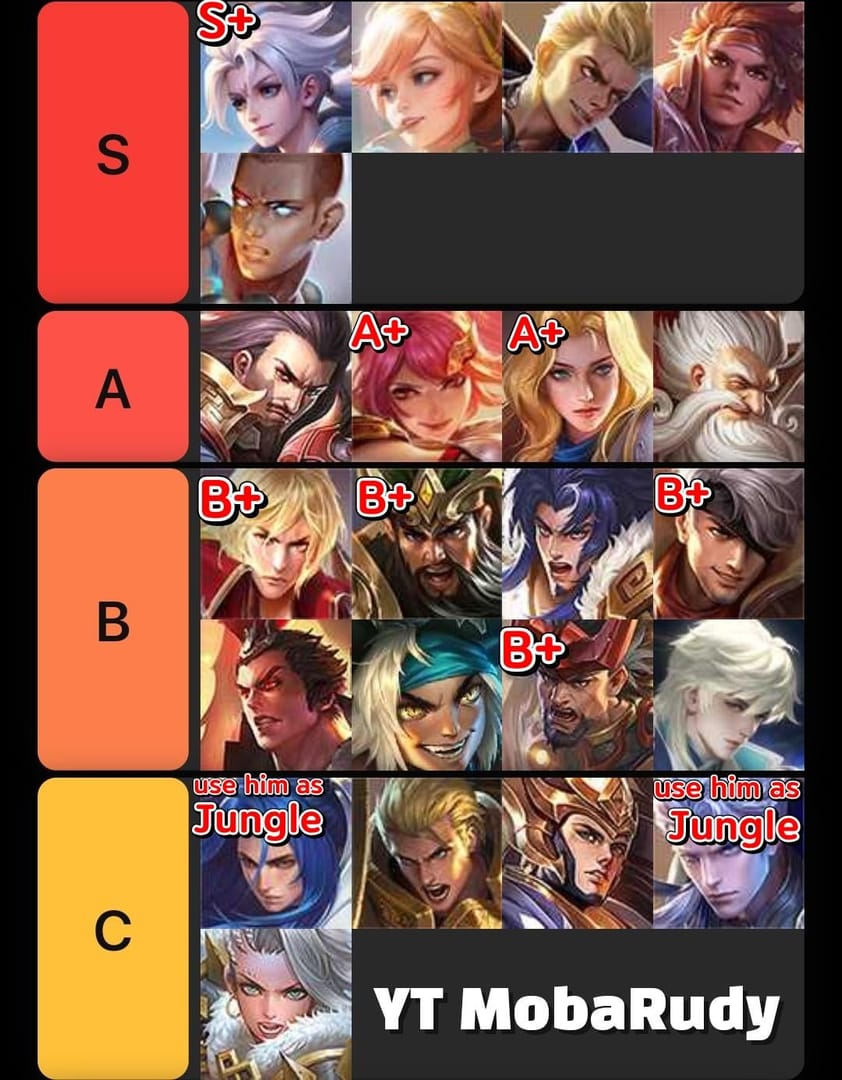
Not all Clash Lane heroes win the Level 2 race equally. Fighters with strong auto-attack modifiers or low-cooldown abilities — Lü Bu, Sun Ce — clear the first wave faster and trade more efficiently at Level 2. Tanks like Arthur rely on sustain and freeze mechanics rather than raw Level 2 burst. Know your hero's power spike before selecting your wave strategy.
First Wave Auto-Attack Sequencing
- Walk to the wave meeting point — don't engage your opponent before minions arrive.
- Auto-attack each minion to low health, prioritizing last hits for the 50% gold bonus under tower.
- Stay within XP range of every minion death, even if it means sacrificing a trade.
- Use abilities only if they contribute to faster wave clear — never waste cooldowns on your opponent while the wave is alive.
Positioning to Deny Opponent XP
Stand between your opponent and the minion wave. This forces them to either take poke damage to collect XP or back off and miss minions. Against ranged heroes, hug the minion line to minimize their attack angle while maintaining your own XP collection.
Mastering Wave Freeze in Honor of Kings Clash Lane
The freeze is the most powerful — and most misunderstood — technique in the Clash Lane. Executed correctly, it creates a compounding disadvantage your opponent can't easily escape.
What Is a Freeze and When Should You Use It?
A freeze holds the wave near your tower by maintaining exactly 3–4 enemy minions alive. The tower prioritizes minions over champions until 4:00, so your opponent can't safely attack you or the minions without drawing tower aggro. Use a freeze when you have a health or level advantage and want to deny safe farm over an extended period.
How to Manipulate Minion Aggro
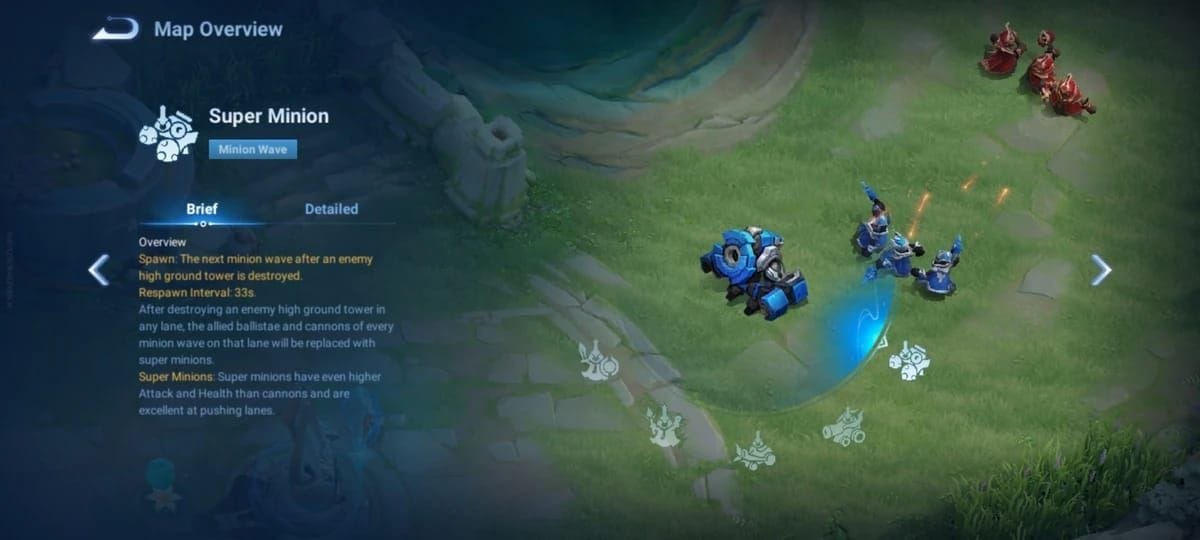
Pull 1–2 enemy minions into your tower's aggro range — the tower attacks those minions, slowing the wave's advance. Then manage remaining minions by last-hitting only when the wave threatens to push. Goal: keep 3–4 enemy minions alive indefinitely near your tower.
The No-Win Scenario You Create
A proper freeze puts your opponent in an impossible position: stand at tower range (taking poke, risking dives) or back off and miss 20–30 gold per wave. Target 70–80% CS efficiency during a freeze — you won't collect every minion, but the denial more than compensates.
Pro tip: A freeze only works near your tower. Attempting it near the enemy tower exposes you to ganks with zero escape route.
For premium heroes and skins to maximize your performance, top up Honor of Kings tokens on buffget — fast delivery, secure transactions.
Slow Push vs. Fast Push: Choosing the Right State
When to Slow Push
Build 14–21 minions into a single wave before recalling or rotating to objectives. Tower damage scales dramatically:
- 14 minions → 3,500–4,500 tower damage
- 21+ minions → 5,000+ tower damage, requires multiple defenders to clear
Always align wave crashes with objective timers. Crashing a wave when Dragon or Tyrant spawns wastes the pressure you built.
When to Fast Push
Fast push gives you a 25–30 second roam window. Release your freeze 30–45 seconds before major objectives:
- Dragon spawns at 3:30, 7:30, and 11:30
- Tyrant spawns at 4:00
Missing these windows because your wave is in a bad state is one of the costliest Clash Lane errors.
Reading Your Opponent's Intent
Watch their auto-attack pattern. Last-hitting only = freeze or equilibrium play. Pushing aggressively = roam or recall setup. Identify their intent within the first 30 seconds and respond with the counter-state.
Hero-Specific Wave Management
Lü Bu: Aggressive Wave Control and Level 2 Dominance
Use his Q to accelerate first-wave clear, then immediately look for a Level 2 trade. His passive enhances auto-attack damage, making him efficient at last-hitting under tower for the 50% gold bonus. Against tankier opponents, transition into a slow push after establishing a Level 2 lead.
Arthur: Sustain Into Freeze and Slow Push Combos
Arthur's high base sustain makes him ideal for extended freezes — he absorbs poke while holding position, then transitions into a slow push when the opponent is forced to back. His kit doesn't win the Level 2 race through burst, so prioritize wave equilibrium and deny-focused play over early aggression.
Matching Wave State to Hero Scaling
- Early-scaling fighters: Prioritize Level 2 aggression and fast pushes for roam windows.
- Late-scaling tanks: Freeze and slow push to delay the game and accumulate CS-based gold leads.
Match your wave state to your hero's power curve — not just your opponent's actions.
The 5 Most Common Clash Lane Wave Management Mistakes
- Pushing without objective awareness. Crashing a wave when Dragon or Tyrant spawns wastes built-up pressure. Align crashes with objective timers.
- Freezing near the enemy tower. Freezes only work near your tower. Deep freezes expose you to ganks with no escape.
- Trading while your wave crashes. When your wave pushes into the enemy tower, your opponent has nothing to lose by fighting. Avoid extended trades in this state.
- Ignoring River Sprites. River Sprites provide 63–126 gold every 60 seconds until 4:00. Collecting them during wave management is a significant early-game advantage most players overlook.
- Recalling at the wrong wave state. Only recall when your wave is crashing into the enemy tower or when you've established a freeze. Recalling on an even or pushed-back wave gifts your opponent free farm and potential tower damage.
How to Practice Clash Lane Wave Management
Training Mode Drills
Spend 10–15 minutes in training mode before ranked matches drilling freeze setups. Focus on maintaining exactly 3–4 enemy minions near your tower without letting the wave push. This builds the mechanical intuition needed to execute freezes under live-game pressure.
Measurable Goals Per Session
- Reach Level 2 by the end of the second wave consistently
- Maintain 70–80% CS efficiency during freeze scenarios
- Execute at least one 14+ minion slow push per game before the 7:30 Dragon spawn
- Collect River Sprites on cooldown during the first 4:00 of every game
Track these metrics across sessions. Wave management improvement is measurable — and measurable improvement is sustainable.
FAQ: Clash Lane Wave Management in Honor of Kings
Q: What is wave management in Honor of Kings Clash Lane? Deliberate control of minion wave position and size to generate gold, XP, and map pressure. It involves choosing between freeze, slow push, and fast push states based on your hero, matchup, and objective timing.
Q: How do you guarantee Level 2 first? Be present for every minion kill in the first wave, position to deny opponent XP, and avoid trades that pull you out of XP range. Prioritize last-hitting under tower for the 50% gold bonus.
Q: How do I freeze without taking tower damage? Pull 1–2 enemy minions into tower aggro range to slow the wave's advance, then last-hit only when the wave threatens to push. Keep 3–4 enemy minions alive near your tower. The tower targets minions before champions until 4:00 — you're safe to farm underneath it.
Q: Slow push vs. fast push — when do I use each? Slow push when you want objective pressure or a safe recall with a large wave crashing behind you. Fast push when you need a roam window, want to contest an objective, or need to reset the wave state quickly.
Q: What are the most common wave management mistakes? Pushing without objective awareness, freezing near the enemy tower, trading while your wave crashes, ignoring River Sprites, and recalling at the wrong wave state. Each directly costs gold, XP, or map pressure.
Q: How do I practice wave management? Use training mode for 10–15 minutes before ranked matches to drill freeze setups and last-hitting sequences. Set measurable goals — 70–80% CS efficiency, Level 2 by wave two, one 14+ minion slow push per game — and track progress across sessions.