

Recommended Discounts

Genshin Impact
Fast, cheap Genesis Crystals, Primogems & Welkin Moon sent straight to your Genshin UID.
Related articles


Genshin Abyss Floor 12 No Anemo: Group Enemies Guide
Quick Answer: You don't need Anemo CC to manipulate enemy AI in Spiral Abyss Floor 12. Walk-stacking, taunt units (Fischl's Oz, Amber's Baron Bunny, Mona's Phantom), Geo construct funneling (Zhongli Stone Stele, Albedo Solar Isotoma), and Freeze locks all replicate Anemo's grouping outcomes. Manual aggro grouping hits 70–85% success rate with 45–70 second clears — slower than Anemo's 30–50 seconds, but fully viable for 36-star completion.
Buffget
Why Enemy AI Manipulation in Floor 12 Matters
The biggest DPS killer in Floor 12 isn't your damage numbers — it's mob spread. Enemies spawn at level 95–100, and three-star completion requires clearing each chamber with 420+ seconds remaining. When enemies scatter to opposite ends of the arena, your burst windows evaporate chasing individual targets.
Anemo CC (Venti's vacuum, Kazuha's plunge grouping) delivers one outcome: multiple enemies inside your DPS window simultaneously. That's what you need to replicate — not the element itself.
The you need Anemo to clear Floor 12 belief is demonstrably false. Taunt mechanics, Geo construct funneling, and deliberate positioning consistently achieve three-star clears. To accelerate your roster while building these strategies, you can buy Blessing of the Welkin Moon online through buffget for competitive pricing and fast delivery.
How Genshin's Aggro System Works
Aggro operates on three priority layers:
- Proximity detection — default trigger; enemies path toward the nearest character on entering detection range
- Damage threat — temporarily shifts aggro to whichever character dealt the most recent hit
- Taunt override — completely redirects all eligible enemies toward a taunt object, bypassing proximity and damage calculations
Inside the Abyss, enemies never reset — they maintain active aggro indefinitely. That's a mechanic you can exploit.
Floor 12 Enemy AI Profiles
Different enemy types respond differently to manipulation:
- Ruin Guards / Ruin Hunters — High weight, slow pathing; respond well to sustained taunt objects
- Fatui Skirmishers — Medium weight, aggressive pursuit; highly responsive to proximity baiting
- Rifthound Whelps — Low weight, fast movement; easiest to walk-stack
- Consecrated Beasts — High weight, erratic movement; require Freeze locks or Geo funnels
- Veteran Arithmetic Enhancer Mek — Geo shield refreshes every 3 attack strings; break with Plunge or Geo attacks
- Super-Heavy Landrover — Pyro resistance drops when Pyro bar hits 50%; gains Cryo shield at 100%
Wayob Manifestations carry 150 weight units (resistant to displacement) but have a 15–20 meter aggro radius — deliberate positioning still pulls them to a rally point without Anemo.
Spawn Anchor Points & Wave Trigger Mechanics
Every Floor 12 enemy spawns at a fixed coordinate hardcoded to that chamber's layout. These don't change within a rotation cycle. Knowing where enemies appear before they appear is the foundational skill for non-Anemo grouping.
Second-wave enemies don't spawn on a timer — they spawn when first-wave enemies are eliminated or drop below a specific HP threshold. This means killing the first wave quickly in a tight cluster directly controls your position when wave two arrives.
How to exploit spawn timing:
- Identify the spawn anchor cluster for each chamber before your attempt
- Position at the geometric center between anchor points
- Let enemies path toward you — don't run toward them
- Eliminate the first wave without leaving the center zone
- Hold your burst for when second-wave enemies converge on your position
Technique 1 — Walk-Stacking (Your Primary Tool)
Walk-stacking requires zero additional units or team slots. Position 15–20 meters from spawn points — exactly within aggro detection range — and stand still. Enemies path directly toward you.
The critical discipline: don't move toward enemies. Every step toward a scattered enemy is a step away from the enemies already pathing to your position. Let the AI do the work.
Finding the optimal rally point: It's the position minimizing the maximum distance any enemy must travel to reach you — usually slightly off-center toward the dominant spawn cluster. Spend your first few attempts mapping this before bursting.
Pro tip: Wait for visual confirmation that 80%+ of enemies are within your AoE radius before releasing your burst. The 5–8 seconds spent waiting for convergence is almost always recovered by hitting a full stack versus chasing scattered targets.
Technique 2 — Taunt Mechanics
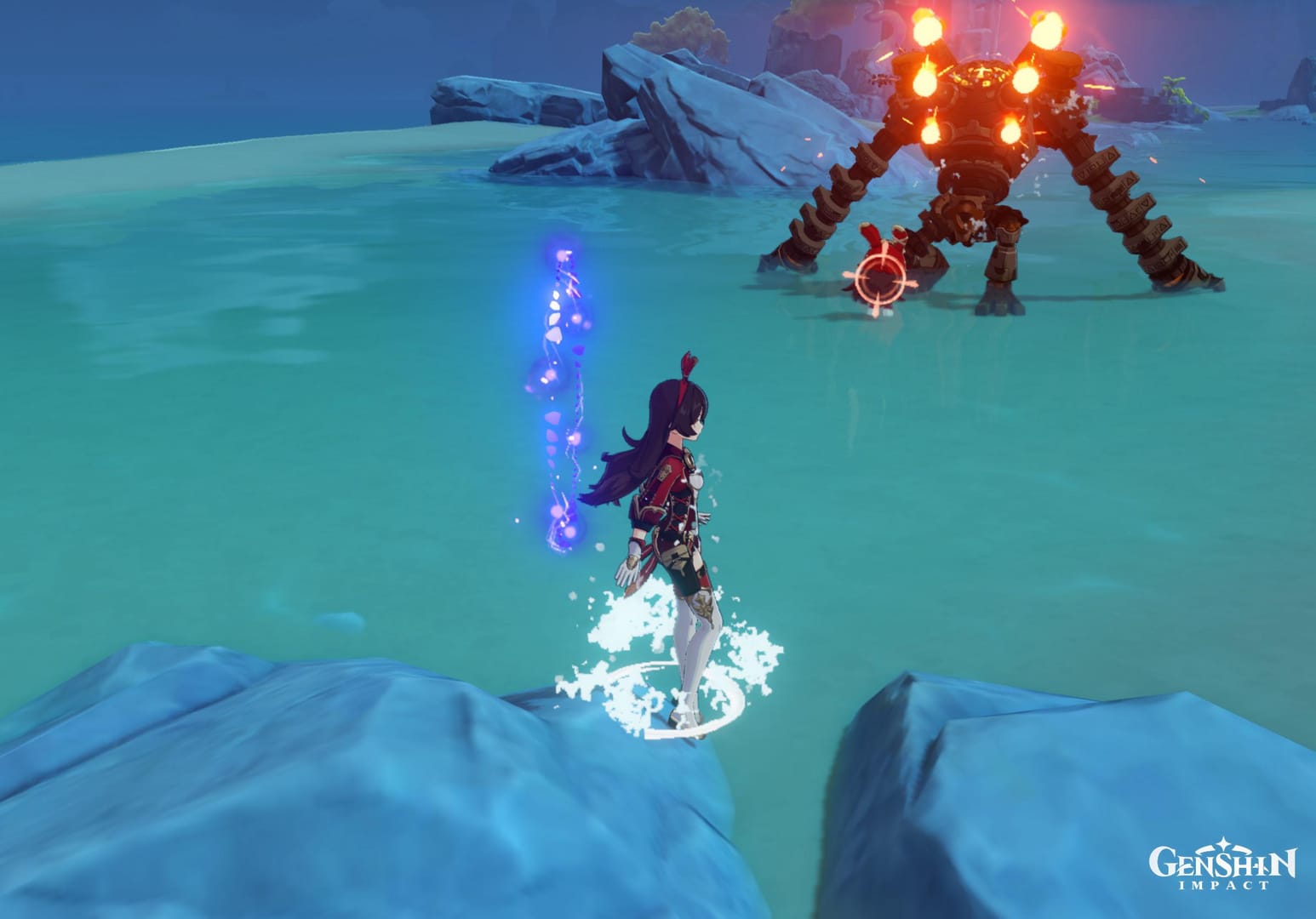
Taunt objects override proximity and damage aggro entirely. Any taunted enemy redirects 100% of its movement toward the taunt source, creating a pseudo-grouping effect.
Fischl's Oz — Sustained Taunt + Electro Application
Oz provides sustained off-field taunt long enough to group enemies before your main DPS rotation. Bonus: simultaneous Electro application enables Superconduct (with Cryo) or Electro-Charged (with Hydro). Fischl's C6 significantly enhances team utility.
Amber's Baron Bunny — Emergency Regrouping
Shorter duration but wider taunt radius. Ideal when enemies scatter mid-rotation. Place at your intended burst location, let enemies converge, then detonate with a charged shot for Pyro application.
Mona's Phantom — Short Setup Window
Brief but effective. Use it as a setup tool, not a sustained solution — drop the Phantom, immediately switch to your main DPS, and burst during the 2–3 second redirect window.
Itto's Akaushi Burst — Geo Team Synergy
Pairs naturally with mono-Geo or Geo-heavy compositions (Zhongli, Gorou). The taunt synergizes with Geo construct funneling for compounded grouping control.
Technique 3 — Geo Constructs as Physical Funnels
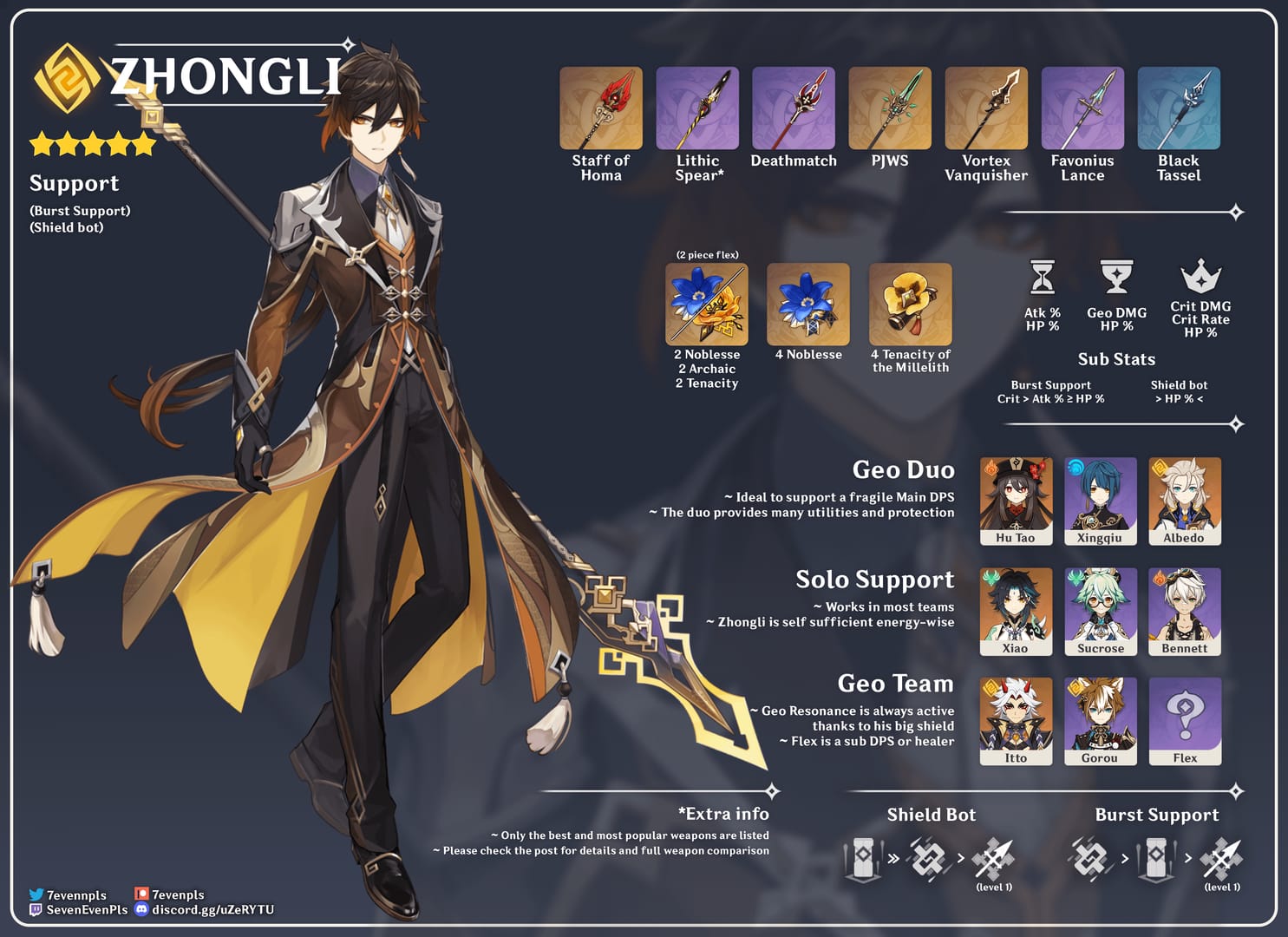
Enemy AI can't path through solid Geo constructs. When a Stone Stele or Solar Isotoma sits between an enemy and its target, pathfinding forces a route around the construct — which, with deliberate placement, means routing directly into your DPS zone.
Zhongli Stone Stele Placement
Place the Stone Stele on the far side of your grouping point relative to enemy spawns. Enemies pathing toward you get funneled around it and arrive in a tighter cluster. Two Steles at angles create a corridor that concentrates movement exactly where you want it.
Albedo Solar Isotoma as a Barrier
The raised platform creates both a vertical barrier and horizontal pathing obstacle. Enemies navigating around it produce predictable approach vectors you can exploit with AoE bursts.
To unlock these units faster, you can top up Genshin Impact crystals by UID on buffget with secure transactions and competitive rates for Zhongli or Albedo's next banners.
Technique 4 — Freeze as a Positional Lock
Freeze doesn't group enemies — it locks them wherever they currently stand. It's only as good as the positioning you establish before applying it. Pre-position with walk-stacking or taunt mechanics first, then Freeze to lock the stack for your burst window.
Freeze Cores Without an Anemo Slot
- Ayaka + Xingqiu — Xingqiu's C2 adds Hydro resistance shred alongside consistent Hydro application
- Ganyu + Mona — Mona's Phantom provides taunt-assisted pre-grouping before Ganyu's burst locks the stack
- Rosaria + Xingqiu + Fischl — Full 4-star accessible; Oz handles taunt-assisted grouping before Freeze application
Freeze vs Anemo CC: Anemo hits 95%+ grouping reliability with 30–50 second clears. Freeze-based locking hits 70–85% reliability with 45–70 second windows. The gap is real but recoverable through optimized pre-positioning and tighter burst timing.
Team Compositions
4-Star Accessible
National Team variant: Xiangling + Xingqiu + Bennett + Fischl
- Oz handles taunt-assisted grouping; core delivers 40,000+ DPS on a 20-second rotation
- Xiangling C4 extends Pyronado duration by 40%; Bennett C1 removes HP restriction on ATK buff
Hyperbloom variant: Fischl + Xingqiu + Collei/Dendro Traveler + Kuki Shinobu
- Kuki needs 800+ Elemental Mastery for maximum Hyperbloom damage
- Oz handles grouping while the reaction chain handles damage
5-Star Options
- Zhongli + Albedo + Hypercarry: Double Geo construct funneling with Hu Tao, Itto, or Eula in the flex slot
- Ganyu Freeze: Ganyu burst + Mona Phantom pre-grouping + Xingqiu Hydro application
Flex Slot Philosophy
The Anemo slot can be replaced with:
- A taunt unit (Fischl, Amber, Mona) for aggro redirection
- A Geo construct unit (Zhongli, Albedo) for pathing control
- A second Hydro unit for Freeze consistency
- A shielder (Zhongli, Diona) to allow aggressive walk-stacking without interruption
Common Mistakes
Bursting before enemies are stacked. Releasing your burst the moment enemies appear wastes 40–60% of AoE potential. Wait 5–8 seconds for natural convergence — it consistently outperforms early bursting.
Chasing enemies instead of baiting them. Moving toward scattered enemies breaks the walk-stack entirely. Stand at your rally point and let aggro work for you.
Mismatching taunt duration to rotation needs. Oz is sustained; Baron Bunny is short. Using Baron Bunny as a sustained grouping tool causes enemies to re-scatter before your burst lands.
Blocking your own movement with Geo constructs. Place Stone Steles and Solar Isotoma on the enemy-side of your position — never between yourself and your escape routes.
FAQ
Can you 36-star Floor 12 without Venti or Kazuha? Yes. Walk-stacking, taunt mechanics, Geo funneling, and Freeze locks replicate Anemo's grouping outcomes. Clears run 45–70 seconds vs Anemo's 30–50, but 420+ seconds remaining is consistently achievable.
How does aggro targeting work in Floor 12? Three layers: proximity detection, damage threat, and taunt override. Taunt objects take highest priority and redirect all eligible enemies regardless of proximity or damage history.
What triggers the second spawn wave? Enemy elimination or dropping below a specific HP threshold — not a timer. Kill the first wave quickly near the arena center to pre-position for second-wave convergence.
Does Zhongli's Stone Stele actually redirect enemies? Yes. Pathfinding can't route through solid Geo constructs. Deliberate Stele placement creates funnel corridors that concentrate enemy approach vectors into your burst zone.
Can every Floor 12 enemy type be manipulated? Most can. High-weight enemies like Wayob Manifestations resist displacement but still respond to proximity baiting within their 15–20 meter aggro radius. Veteran Arithmetic Enhancer Meks require Plunge or Geo attacks to break their shield before grouping becomes relevant.
Is Freeze a true replacement for Anemo CC? Freeze is a positional lock, not a grouping tool. It works as a replacement only when combined with prior walk-stacking or taunt pre-grouping. Applied to an already-stacked group, it delivers comparable burst efficiency — but the pre-grouping step is non-negotiable.