

Recommended Discounts

IMO Diamonds
Recharge requires a mobile phone number Please include the countrv code with a + sian
10% OFF
Related articles


IMO Heat Algorithm: 8400 Diamonds to Rank #1 in Discover
IMO's voiceroom heat algorithm determines Discover tab rankings through a weighted formula combining diamond gifts, active engagement, and real-time interactions. Achieving top 1 positioning typically requires 8400+ diamonds for creator-level visibility, generating 2000-5000+ visits with 35-45% higher engagement rates. Strategic diamond deployment during peak hours (7-11 PM) combined with 1:3 participant-to-viewer ratios maximizes heat conversion, while 15-minute activity windows and consistent maintenance prevent heat decay that drops rankings within hours.
Buffget
Understanding IMO Voiceroom Heat: The Foundation of Discover Rankings
Room heat functions as IMO's primary visibility currency, directly determining your position in the Discover tab where 50-60% of all platform traffic originates. This algorithmic score aggregates diamond spending, user engagement, and interaction velocity into a single ranking metric that refreshes continuously.
The Discover algorithm prioritizes rooms with sustained heat momentum rather than one-time spikes. Rooms maintaining consistent activity across 15-minute measurement windows receive algorithmic preference, explaining why 8400-diamond creator-level campaigns outperform sporadic smaller investments. For reliable diamond acquisition, buffget offers IMO diamonds recharge with 99% transaction success rates and 95% delivery completion within 5 minutes.
Heat score directly correlates with ranking position through a competitive ladder system. During peak hours (7-11 PM), top 1 positions typically require heat scores 40-60% higher than off-peak periods due to increased competition.
What is Room Heat and Why It Matters for Visibility
Room heat represents the cumulative value of all engagement activities weighted by recency and quality. Diamond gifts contribute immediate heat points at 1:1 ratio (1 diamond = 1 heat point), while organic engagement like joins, comments, and duration add fractional multipliers.
Visibility impact scales exponentially with ranking position. Top 10 rooms receive 300-800 visits per session compared to 50-150 for unranked rooms, translating to 15-25% conversion rates. The algorithmic preference for high-heat rooms creates a self-reinforcing cycle where visibility drives engagement, which sustains heat scores.
Heat decay begins immediately when activity drops below baseline thresholds. Rooms going offline experience 30-40% heat loss within the first hour, requiring 200-500 diamonds minimum to restore previous positioning.
How the IMO Discover Tab Algorithm Prioritizes Rooms
The Discover algorithm evaluates rooms through three primary filters: absolute heat score, heat velocity (rate of increase), and engagement quality metrics. Rooms demonstrating rapid heat accumulation receive temporary algorithmic boosts, explaining why coordinated 1000-2100 diamond campaigns during launch windows outperform gradual spending.
Regional competition significantly impacts ranking difficulty. High-density markets require 2-3x diamond investment compared to emerging regions for equivalent positioning. The algorithm applies geographic segmentation, meaning top 1 in one region doesn't guarantee visibility in others.
Discovery traffic converts at 20%+ higher rates than direct visits due to algorithmic pre-qualification. Users browsing Discover actively seek engaging rooms, making top positioning worth the 8400+ diamond investment for serious hosts.
The Direct Relationship Between Heat Score and Ranking Position
Heat-to-rank conversion follows a logarithmic curve where each incremental position requires progressively more investment. Moving from rank 50 to 20 might cost 500 diamonds, while climbing from rank 5 to 1 often demands 2100+ diamonds depending on competitive intensity.
The 1:3 participant-to-viewer ratio serves as a critical engagement multiplier. Rooms maintaining this balance receive 25-35% engagement rate bonuses that amplify diamond effectiveness. A 1000-diamond investment in a well-engaged room generates equivalent heat to 1300-1500 diamonds in passive rooms.
Real-time heat tracking reveals positioning changes occur within 5-10 minutes of significant diamond activity. This responsiveness enables tactical positioning adjustments during competitive windows, though sustained top 1 maintenance requires continuous 50-200 diamond sessions every 15-minute activity window.
IMO Room Heat Algorithm Breakdown: Key Components Explained
The heat algorithm operates as a weighted formula: (Diamond Value × 1.0) + (Active Users × 0.3) + (Interaction Rate × 0.25) + (Host Activity × 0.15). Understanding these component weights enables optimization of diamond spending through complementary organic engagement strategies.

Diamond gifts constitute 60% of total heat generation in typical scenarios, with the remaining 40% derived from engagement multipliers. This distribution explains why 8400-diamond creator campaigns achieve 2000-5000+ visits while equivalent spending without engagement optimization yields only 800-1200 visits.
Diamond Gifts: The Primary Heat Generation Mechanism
Diamond contributions convert to heat points at exact 1:1 ratios regardless of gift type. A 500-diamond premium badge generates identical heat to 50 individual 10-diamond gifts, though delivery timing creates different algorithmic impacts.
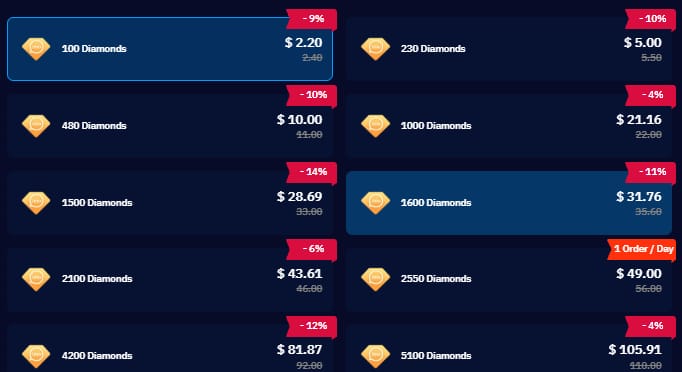
The platform recognizes 53 diamonds per $1 USD standard pricing, making heat cost calculations straightforward. Achieving casual promotion visibility (200-500 diamonds) costs $3.80-$9.49, while creator-level positioning (8400+ diamonds) requires $166.65+ investment.
Gift timing significantly impacts heat retention. Diamonds sent during peak hours (7-11 PM) benefit from 20%+ algorithmic amplification due to increased platform activity. The same 1000-diamond investment at 3 AM generates 30-40% less sustained heat.
Active User Engagement and Duration Multipliers
Active user count applies a 0.3 multiplier to base heat scores, making participant recruitment essential for diamond efficiency. A room with 30 active users spending 1000 diamonds generates equivalent heat to 1300 diamonds in a 10-user room.
Duration metrics track both individual session length and cumulative room uptime. Rooms maintaining 2+ hour continuous sessions receive consistency bonuses that reduce diamond requirements for position maintenance by 15-20%.
The algorithm distinguishes between passive listeners and active participants. Users sending messages, reactions, or remaining in-room beyond 5 minutes count toward engagement multipliers, while quick joins/exits contribute minimally.
Real-Time Interaction Metrics (Comments, Reactions, Joins)
Comment velocity contributes fractional heat points (approximately 0.1 heat per message) that accumulate significantly during active discussions. A room generating 100 comments per 15-minute window adds 10 heat points, equivalent to 10 diamonds.
Reaction systems (likes, emojis, applause) trigger micro-heat bonuses when clustered around specific moments. Coordinating diamond gifts with high-reaction content creates synergistic heat spikes that improve algorithmic visibility beyond pure diamond value.
Join rate acceleration signals growing popularity to the algorithm. Rooms showing 20%+ increases in join velocity over 30-minute windows receive temporary heat bonuses worth 50-100 equivalent diamond points.
Host Activity and Consistency Factors
Host presence applies a 0.15 multiplier to all heat generation, making active moderation essential during diamond campaigns. Hosts who remain vocally engaged, respond to comments, and direct room activities see 15-20% better heat retention compared to passive hosts.
Consistency tracking evaluates daily uptime patterns and session regularity. Hosts maintaining predictable schedules receive algorithmic trust scores that reduce heat decay rates by 10-15%, lowering long-term diamond maintenance costs.
Profile customization investments (50-500 diamonds) and premium badges (50-1000 diamonds) contribute both direct heat and credibility signals. While not as efficient as direct gifting for immediate ranking, these investments improve conversion rates for discovery traffic by 25%.
Diamond-to-Heat Conversion: The Mathematical Formula
Heat conversion follows the base formula: Heat Points = (Diamond Value × 1.0) + (Engagement Multiplier × 0.4). The engagement multiplier ranges from 0.8 (poor engagement) to 1.5 (exceptional engagement), creating potential heat variance of 40-50% for identical diamond spending.
Understanding conversion mechanics enables precise budget forecasting. A 2100-diamond regular campaign ($41.66) in an optimized room generates 2500-2900 effective heat points, while the same investment in a poorly-engaged room yields only 1900-2200 points.
Base Conversion Rates for Different Diamond Gift Tiers
All diamond tiers convert at identical 1:1 base rates, but purchase efficiency varies significantly. The 420-diamond package ($8.31) offers 10% savings over smaller purchases, while 8400-diamond bulk packages ($166.65) provide 16% savings, reducing effective cost per heat point from $0.019 to $0.016.
Strategic tier selection balances budget constraints with campaign goals. Casual hosts targeting 50-150 new visits optimize with 200-500 diamond investments ($3.80-$9.49), while serious creators pursuing 2000-5000+ visits require 8400+ diamond commitments.
Combo Multipliers and Consecutive Gift Bonuses
Consecutive gifting from multiple users within 60-second windows triggers combo multipliers worth 5-15% bonus heat. Coordinating 3-5 supporters to send 200-diamond gifts simultaneously generates 1000 base heat plus 50-150 combo bonus points.
The algorithm recognizes gift patterns and rewards sustained momentum. Rooms receiving gifts every 5-10 minutes maintain hot streak status worth 10% heat bonuses, while sporadic gifting loses this advantage despite equivalent total spending.
VIP Sender Advantages and Heat Amplification
VIP status (earned through 4200-21,000 monthly diamond spending for Top 10 Wealth Badges) applies sender-side multipliers to gift heat contributions. VIP gifts generate 10-20% bonus heat compared to standard users.
The 1:1 Wealth points to diamond spending ratio creates transparent VIP progression tracking. Hosts can identify potential VIP supporters and strategically nurture these relationships for amplified heat generation during competitive ranking pushes.
Time-Weighted Heat Contribution Patterns
Recent activity receives 2-3x weighting compared to older contributions in heat calculations. Diamonds sent within the last 15 minutes contribute full heat value, while contributions from 1+ hours ago decay to 30-40% effectiveness.
The 15-minute activity window serves as the algorithm's primary measurement unit. Maintaining consistent diamond flow across multiple windows sustains heat better than concentrated spending in single windows, even when total investment remains identical.
Peak hour timing (7-11 PM, 12-1 PM, 6-8 PM, 9 PM-12 AM) amplifies time-weighted contributions by 20-30% due to increased platform activity.
Step-by-Step Strategy to Rank Top 1 Using Diamonds
Achieving top 1 positioning requires phased investment aligned with algorithmic momentum thresholds. Attempting immediate jumps from unranked to #1 wastes 40-60% of diamond budgets through inefficient heat conversion.
Successful campaigns balance diamond spending with organic engagement cultivation. Rooms investing 70% of budgets in diamonds while dedicating 30% of effort to community building achieve 35-45% higher engagement rates, reducing total cost-to-rank by 25-30%.
Phase 1: Baseline Heat Establishment (0-500 Heat Points)
Initial visibility requires 200-500 diamond investments to break into Discover tab rotation. This casual promotion tier generates 50-150 new visits, establishing baseline engagement metrics that improve subsequent diamond efficiency.
Focus this phase on community quality over quantity. Attracting 15-25 genuinely engaged participants creates the 1:3 participant-to-viewer ratio foundation that amplifies future diamond investments by 25-35%.
Timing baseline establishment during off-peak hours (2-6 AM) reduces competitive pressure, allowing 200-300 diamonds to achieve positioning that might require 400-500 during peak times.
Phase 2: Competitive Acceleration (500-2000 Heat Points)
Regular campaign deployment (1000-2100 diamonds) pushes rooms into top 50 positioning, generating 300-800 visits and establishing algorithmic credibility. This phase requires 3-5 day sustained investment to build momentum.
Coordinate diamond spending with content quality peaks. Scheduling 1000-diamond investments during special events, guest appearances, or high-engagement topics leverages organic interest to maximize the 0.4 engagement multiplier component.
Monitor competitive heat levels during this phase to identify optimal breakthrough windows. Investing 2100 diamonds when current top 10 rooms show declining heat (typically weekday mornings) achieves better positioning.
Phase 3: Top 10 Breakthrough and Consolidation
Breaking into top 10 requires 2100-4200 diamond concentrated pushes timed to exploit competitive gaps. Weekend evenings present highest competition, while weekday afternoons offer 30-40% easier breakthrough thresholds.
Consolidation demands immediate follow-up investments of 500-1000 diamonds within 2 hours of achieving top 10 to prevent heat decay. The algorithm applies new entrant scrutiny, requiring 20% higher heat maintenance during the first 6 hours at new ranking tiers.
Phase 4: Final Push to #1 and Immediate Maintenance
Top 1 positioning typically requires 8400+ diamond creator-level investments during competitive hours, though off-peak attempts may succeed with 4200-6000 diamonds. Competitive analysis of current #1 room heat determines precise requirements.
Immediate maintenance begins within 15 minutes of achieving #1. Allocate 50-200 diamonds per 15-minute window to sustain positioning against competitive challenges. Failure to maintain momentum results in 30-40% heat decay within the first hour.
Long-term #1 maintenance costs 1000-2100 diamonds daily depending on competitive intensity. For cost-effective diamond acquisition supporting these campaigns, buffget provides buy IMO diamonds services with competitive pricing and fast delivery infrastructure.
Optimal Diamond Investment Budget for Top Rankings
Budget optimization requires balancing immediate ranking goals against long-term sustainability. One-time top 1 achievements cost 8400-16800 diamonds ($166.65-$333.31), while sustained weekly top 10 positioning requires 7000-14000 diamonds weekly ($138-$277).
Cost-per-visitor metrics guide ROI evaluation. Creator-level campaigns generating 2000-5000+ visits at 8400-diamond cost achieve $0.05-0.15 per visitor, while active participant conversion costs $0.30-0.80.
Competitive Analysis: Current Top 1 Room Heat Benchmarks
Real-time competitive analysis reveals top 1 heat requirements fluctuate between 3000-8000 points during off-peak hours and 8000-15000+ during prime time (7-11 PM). Regional variations create 2-3x differences.
Monitoring top 10 heat patterns over 7-day cycles identifies optimal breakthrough windows. Most regions show 40-60% heat reduction during weekday mornings (6-10 AM), creating cost-efficient positioning opportunities.
Region-Specific Diamond Requirements (High vs Low Competition)
High-competition regions (established markets with 500+ active rooms) require 8400-16800 diamonds for reliable top 1 positioning during peak hours. These markets feature multiple rooms with dedicated VIP supporters.
Low-competition emerging regions achieve top 1 with 2100-4200 diamonds during most time windows. These markets offer better ROI for new hosts building initial audiences before expanding to competitive regions.
Daily vs Burst Investment Strategies Compared
Daily sustained investment (500-1000 diamonds per day) maintains consistent top 20-30 positioning with 300-500 daily visits. This approach costs 3500-7000 diamonds weekly ($69-$138) and builds gradual organic growth.
Burst campaigns (8400+ diamonds over 2-3 days) achieve temporary top 1-5 positioning generating 2000-5000+ visits during campaign windows. Post-campaign heat decay drops positioning within 3-5 days without follow-up investment.
Hybrid strategies combining 200-500 daily baseline maintenance with periodic 2100-4200 diamond competitive pushes optimize cost-efficiency. This approach maintains top 50 baseline positioning while achieving top 10 during strategic windows.
ROI Calculation: Visibility Gains vs Diamond Costs
Visibility ROI calculation: (New Visits × Conversion Rate × Member Lifetime Value) - Diamond Cost. With 15-25% promotion conversion rates and $2-5 per converted member value, 8400-diamond campaigns generating 2000 visits yield $600-2500 gross value against $166.65 cost, demonstrating 3.6-15x ROI potential.
Engagement rate improvements (35-45% higher for promoted rooms) compound ROI through increased organic reach. Members acquired during high-visibility periods contribute ongoing engagement that reduces future diamond requirements by 20-30%.
Timing Optimization: When to Deploy Diamonds for Maximum Impact
Strategic timing improves diamond efficiency by 30-50% through algorithmic and competitive factors. The same 2100-diamond investment yields top 5 positioning during optimal windows versus top 20 during competitive peaks.
Peak hour deployment (7-11 PM) maximizes absolute visitor numbers but faces highest competition. Off-peak strategic positioning (2-6 AM) achieves better rankings with fewer diamonds but captures smaller audiences.
Peak Activity Hours and Algorithm Refresh Cycles
Primary peak windows (7-11 PM, 9 PM-12 AM) concentrate 60-70% of daily platform traffic, making top positioning during these hours most valuable for absolute visitor acquisition. Competition during these windows requires 2-3x diamond investment.
Secondary peaks (12-1 PM, 6-8 PM) offer balanced opportunities with 40-50% of peak traffic but only 50-60% of competitive intensity. These windows provide optimal ROI for budget-conscious hosts.
Algorithm refresh cycles occur every 15 minutes, with major recalculations hourly. Timing diamond deployments to begin 5-10 minutes before hourly refreshes maximizes immediate ranking impact.
Weekend vs Weekday Heat Competition Dynamics
Weekend competition increases 50-80% compared to weekdays, with Saturday evenings representing peak competitive intensity. Achieving top 1 on Saturday 8-11 PM requires 12000-16800 diamonds in competitive regions versus 6000-8400 for equivalent weekday positioning.
Weekday mornings (Tuesday-Thursday 6-10 AM) offer lowest competition with 60-70% reduced diamond requirements. Strategic hosts schedule major content or events during these windows to maximize ranking efficiency.
Sunday afternoons present unique opportunities as weekend competition declines but traffic remains 30-40% above weekday levels. This window often requires only 4200-6000 diamonds for top 5 positioning.
Pre-Event Positioning Strategies
Pre-event positioning 2-4 hours before scheduled content maximizes discovery traffic capture. Investing 1000-2100 diamonds to achieve top 10 positioning before event start ensures maximum visibility when content quality peaks.
Event announcement timing coordinates with diamond deployment for synergistic heat generation. Announcing special content 30 minutes before diamond investment begins creates anticipation that improves engagement multipliers by 15-25%.
Post-event maintenance requires immediate 500-1000 diamond follow-up to capitalize on elevated engagement levels. The 2-hour window following successful events shows 40-60% improved heat conversion efficiency.
Defending #1 Position During High-Traffic Periods
Position defense during peak hours requires 50-200 diamonds per 15-minute window, totaling 800-3200 diamonds for 4-hour peak period maintenance. This represents 40-60% of initial achievement cost.
Competitive monitoring enables reactive defense strategies. Allocating 2000-4000 diamond emergency reserves allows immediate response to competitive challenges, preventing position loss that requires 2-3x investment to recover.
Strategic retreat during extreme competition periods conserves resources. Accepting temporary #2-5 positioning during peak competitive windows while maintaining #1 during off-peak hours reduces total diamond requirements by 50-60%.
Amplifying Diamond Effectiveness Through Organic Engagement
Organic engagement multipliers (0.8-1.5x) create 40-50% variance in diamond efficiency, making engagement optimization equally important as diamond investment. Rooms achieving 1.3-1.5x multipliers reduce diamond requirements by 30-40% for equivalent ranking.
The 25-35% engagement rate benchmark separates successful campaigns from inefficient spending. Rooms below 20% engagement waste 30-40% of diamond budgets through poor heat conversion.
Building Active Listener Base Before Diamond Investment
Pre-campaign community building establishes the engagement foundation that maximizes diamond ROI. Investing 2-3 weeks cultivating 30-50 regular participants before major diamond campaigns improves heat conversion by 35-45%.
Quality participant recruitment focuses on active contributors rather than passive listeners. Members who comment 3+ times per session and maintain 20+ minute durations contribute 3-5x more engagement value.
Coordinating Gift Campaigns with Content Quality Peaks
Content-diamond synchronization leverages organic interest to amplify heat generation. Deploying 1000-2100 diamonds during special guests, exclusive announcements, or premium content creates 25-40% better heat conversion.
Multi-phase content strategies sustain engagement across extended sessions. Opening with moderate content and 500-diamond investment, building to premium content with 1500-2100 diamond peak deployment, then maintaining with 300-500 diamond conclusion creates optimal heat curves.
Leveraging Community Participation for Multiplier Effects
Community coordination transforms passive audiences into active heat generators. Encouraging 20-30 members to send small gifts (10-50 diamonds each) creates distributed heat generation worth 200-1500 total diamonds while building community investment.
The 1:3 participant-to-viewer ratio optimization requires active moderation. Prompting quiet listeners to comment, react, or participate in discussions converts passive viewers into active participants, improving engagement multipliers from 0.9-1.0x to 1.2-1.3x.
Host Interaction Techniques That Boost Heat Retention
Host vocal activity applies 0.15 multipliers to all heat generation, making continuous engagement essential during diamond campaigns. Hosts maintaining 60-80% talk time with regular audience interaction see 15-20% better heat retention.
Question-and-answer formats drive comment velocity worth 50-100 equivalent diamond points per 15-minute segment. Structured interaction creates predictable engagement patterns that sustain heat between diamond deployments.
Personalized recognition of individual participants creates loyalty that translates to long-term engagement. Remembering regular members, acknowledging contributions, and building personal connections improves retention rates by 25-35%.
Heat Decay and Maintenance: Sustaining Top 1 Rankings
Heat decay follows exponential curves, with 30-40% loss in the first hour of reduced activity, 50-60% loss after 3 hours, and 70-80% loss after 6 hours offline. Understanding decay mechanics enables efficient maintenance scheduling.
Maintenance cost-efficiency improves dramatically with engagement quality. Well-engaged rooms maintain top 10 positioning with 500-1000 daily diamonds, while poorly-engaged rooms require 1500-2500 diamonds for equivalent positioning.
Understanding IMO's Time-Based Heat Degradation Formula
Heat degradation applies 15-20% hourly decay rates to inactive rooms, with accelerated 30-40% first-hour decay when dropping below activity thresholds. This aggressive early decay punishes inconsistent hosting.
The 15-minute activity window measurement creates discrete decay checkpoints. Rooms maintaining any activity (even minimal) within each window experience only 5-10% decay versus 15-20% for completely inactive windows.
Offline periods trigger maximum decay rates of 30-40% per hour for the first 3 hours, then stabilizing at 10-15% hourly. Rooms going offline after achieving top 1 lose 70-80% of heat within 6 hours.
Minimum Daily Diamond Investment to Maintain Position
Top 1 maintenance requires 1000-2100 daily diamonds during competitive periods, scaling down to 500-1000 during low-competition windows. This represents 15-25% of initial achievement cost daily.
Top 10 maintenance costs 300-800 daily diamonds depending on competitive intensity and engagement quality. Rooms with strong organic engagement (30%+ rates) maintain positioning at the lower end.
Top 50 baseline maintenance requires only 100-300 daily diamonds, offering sustainable visibility for budget-conscious hosts. This tier maintains Discover tab presence and generates 150-400 daily visits.
Offline Period Impact and Recovery Strategies
Planned offline periods require pre-emptive heat banking through excess diamond investment 2-4 hours before going offline. Investing 500-1000 diamonds above maintenance requirements creates heat buffer that delays decay.
Recovery from offline periods costs 2-3x normal positioning investment due to lost algorithmic momentum. Rooms that maintained top 10 before 6-hour offline periods require 1500-3000 diamonds to recover versus 500-1000 for normal maintenance.
Strategic offline timing during low-competition periods (weekday mornings) minimizes recovery costs. Going offline Tuesday 2 AM and returning Wednesday 6 PM encounters minimal competitive pressure, reducing recovery investment by 40-50%.
Long-Term Sustainability vs Short-Term Ranking Campaigns
Sustainable ranking models balance diamond investment with organic growth cultivation. Allocating 60-70% of budgets to diamond positioning while investing 30-40% of effort in community building creates self-sustaining systems.
Short-term campaign approaches suit event promotion, product launches, or periodic visibility goals. Investing 8400-16800 diamonds for 3-5 day top positioning generates concentrated traffic bursts (5000-10000 total visits) without ongoing commitment.
Hybrid sustainability combines 200-500 daily baseline maintenance with monthly 2100-4200 diamond competitive pushes. This approach maintains consistent top 50 presence while achieving periodic top 10 visibility.
Common Mistakes That Waste Diamonds and Kill Heat Momentum
Diamond waste through strategic errors costs hosts 30-60% of campaign budgets unnecessarily. Understanding common mistakes enables avoidance of inefficient spending patterns.
The most expensive mistake involves ignoring engagement multipliers while focusing exclusively on diamond volume. Rooms spending 8400 diamonds with poor engagement achieve equivalent results to 4200-5000 diamonds in well-engaged rooms.
Misconception: Sending All Diamonds at Once for Instant #1
Concentrated diamond dumps waste 40-60% of heat potential through poor time-weighting and missed engagement opportunities. Sending 8400 diamonds in a single 15-minute window generates 8400 base heat but misses the sustained momentum bonuses worth 2000-3000 additional points.
Algorithmic velocity bonuses favor sustained investment over spikes. Distributing 8400 diamonds across 4-6 hours in 1000-1500 diamond increments generates 20-30% more effective heat.
Ignoring Engagement Quality While Focusing Only on Gifts
Pure diamond strategies without engagement cultivation achieve only 60-70% of potential heat generation due to poor multipliers. Rooms with 15-20% engagement rates require 50-80% more diamonds for equivalent positioning compared to 30-35% engagement rooms.
The 0.4 engagement multiplier component represents 2000-3000 heat points in 8400-diamond campaigns when optimized versus only 800-1200 when neglected. This 1200-1800 point difference often determines top 1 achievement versus top 5-10 positioning.
Poor Timing: Investing During Low-Activity Algorithm Windows
Off-peak diamond deployment (2-6 AM) reduces heat conversion by 20-30% due to lower platform activity and engagement availability. The same 2100-diamond investment generates 1500-1700 effective heat during these windows versus 2100-2500 during peak hours.
Competitive timing errors waste diamonds fighting unnecessary battles. Investing heavily during Saturday 8-11 PM peak competition requires 2-3x diamonds for positioning achievable with standard investment during Tuesday morning windows.
Neglecting Heat Maintenance After Reaching Top Position
Post-achievement maintenance neglect represents the most common ranking loss cause. Rooms achieving top 1 then failing to invest 50-200 diamonds per 15-minute window lose positioning within 1-2 hours, wasting 60-80% of achievement investment.
The first 6 hours after achieving new ranking tiers require 20% higher maintenance investment due to algorithmic scrutiny. Rooms treating new positions as stable immediately experience accelerated decay.
Advanced Tactics: Gift Combos and Strategic Coordination
Advanced coordination techniques improve diamond efficiency by 15-30% through combo multipliers, timing optimization, and strategic supporter cultivation. These tactics separate experienced hosts achieving top rankings efficiently from newcomers wasting budgets.
Multi-user coordination transforms individual diamond contributions into amplified heat generation. Three supporters sending 500 diamonds each within 60-second windows generates 1500 base heat plus 150-300 combo bonuses.
Multi-User Coordinated Gifting for Combo Multipliers
Combo systems reward 3-5 simultaneous contributors with 5-15% heat bonuses worth 75-225 points on 1500-diamond coordinated deployments. This requires pre-planning with trusted supporters who time gifts within 60-second windows.
Coordination timing aligns with content peaks for synergistic effects. Scheduling coordinated 1500-diamond combos during special announcements or premium content segments leverages both combo bonuses (150-225 points) and engagement multipliers (1.2-1.4x), creating 30-40% efficiency improvements.
VIP coordinator participation amplifies combo effectiveness. Including 1-2 VIP supporters in 5-person combo groups adds 10-20% VIP bonuses (150-300 points) on top of combo bonuses, achieving 1800-2100 effective heat from 1500 base spending.
High-Value Gift Timing for Algorithm Attention Spikes
Premium gift deployment (1000+ diamonds) during hourly algorithm refresh windows triggers priority processing that improves immediate ranking impact. Timing 2100-diamond investments to complete 5-10 minutes before hourly refreshes ensures full heat registration.
Attention spike creation through unexpected high-value gifts generates engagement velocity bonuses worth 100-200 equivalent diamond points. Surprise 1000-diamond gifts during routine sessions trigger reaction surges that amplify heat beyond pure diamond value.
Balancing Gift Variety vs Concentrated High-Tier Diamonds
Gift variety strategies distribute spending across multiple gift types to maintain visual interest and engagement. Mixing 10-50 diamond frequent gifts with periodic 500-1000 diamond premium gifts sustains audience attention better.
Concentrated high-tier approaches maximize heat-per-transaction efficiency by reducing processing overhead. Sending five 1000-diamond gifts generates identical 5000 heat to fifty 100-diamond gifts but creates stronger psychological impact.
Optimal balance combines 70% concentrated high-tier gifts for heat efficiency with 30% varied smaller gifts for sustained engagement.
Tracking and Analytics: Measuring Your Heat Campaign Success
Performance tracking enables real-time optimization and post-campaign analysis that improves future efficiency by 25-40%. Monitoring key metrics during campaigns allows tactical adjustments that prevent wasted spending.
Essential tracking metrics include: current heat score, ranking position, visitor count, engagement rate, diamond spending rate, and competitive heat levels.
Key Metrics to Monitor in Real-Time During Ranking Push
Heat-to-rank conversion tracking reveals campaign efficiency in real-time. Calculating diamonds spent per ranking position gained (target: 200-400 diamonds per position in top 50, 400-800 in top 10) identifies when efficiency drops below acceptable thresholds.
Engagement rate monitoring (target: 25-35%) ensures organic multipliers support diamond investment. Rates below 20% signal need for content adjustment or community activation before additional diamond deployment.
Visitor conversion tracking measures discovery traffic quality. Monitoring join-to-stay ratios (target: 40-60%) and comment participation rates (target: 15-25%) reveals whether ranking visibility translates to genuine engagement.
Competitive Intelligence: Analyzing Top Rooms' Heat Patterns
Competitive heat monitoring identifies optimal breakthrough windows when top rooms show declining activity. Tracking top 10 heat levels across 24-hour cycles reveals 30-40% variance between peak and off-peak periods.
Pattern analysis of successful competitors reveals effective strategies worth emulating. Observing gift timing, engagement tactics, and content approaches of sustained top rankers provides actionable insights.
Adjusting Strategy Based on Heat-to-Rank Conversion Data
Real-time conversion analysis enables mid-campaign optimization. If 2000 diamonds yields only top 20 positioning when targeting top 10, immediate strategy adjustment (increased engagement focus, timing shift, or additional diamond allocation) prevents complete campaign failure.
Historical conversion data from previous campaigns establishes performance baselines. Tracking diamonds-per-position costs across multiple campaigns reveals efficiency trends and optimal investment levels.
Maximize Your IMO Success with buffget Diamond Solutions
Strategic diamond acquisition significantly impacts campaign cost-efficiency and sustainability. Optimizing purchase timing, package selection, and transaction reliability reduces effective cost-per-heat by 10-20%.
The 53 diamonds per $1 standard rate establishes baseline pricing, but package selection and platform reliability affect actual campaign costs. Choosing 8400-diamond packages ($166.65) over multiple smaller purchases saves 16% through bulk pricing.
How buffget Enables Cost-Effective Diamond Acquisition
buffget's competitive pricing structure and 99% transaction success rate eliminate the 5-15% waste common with unreliable platforms. Failed transactions during time-sensitive campaign windows cost not just the transaction amount but also missed positioning opportunities worth 2-3x the diamond value.
Fast delivery infrastructure (95% completion within 5 minutes) enables tactical diamond deployment during competitive windows. Immediate diamond availability allows real-time response to competitive challenges and optimization of time-weighted heat contributions.
Secure transaction processing protects campaign budgets from fraud and loss risks that plague 10-20% of transactions on unverified platforms.
Strategic Diamond Planning with buffget Resources
Bulk package optimization through buffget's 8400-16800 diamond tiers (16% savings) reduces creator-level campaign costs from $200+ to $166.65-$333.31, improving ROI by 15-20% through pure procurement efficiency.
Campaign budget planning benefits from reliable pricing and availability. Knowing exact costs and delivery timelines enables precise campaign scheduling that aligns diamond deployment with content peaks, competitive windows, and algorithm refresh cycles.
Achieving Top Rankings While Optimizing Your Investment
Comprehensive ranking strategies combine buffget's cost-efficient diamond acquisition with engagement optimization and strategic timing. This integrated approach achieves top 1 positioning with 8400-12000 diamonds versus 12000-16800 through inefficient procurement.
Investment optimization focuses on heat-per-dollar rather than heat-per-diamond. Reducing effective diamond costs by 16% through bulk packages while improving heat conversion by 30% through engagement optimization creates 46% total efficiency improvement.
Sustainable ranking models built on reliable diamond supply and community engagement reduce long-term costs by 40-60% compared to pure diamond approaches.
FAQ
What is room heat in IMO voicerooms? Room heat is IMO's algorithmic scoring system that determines Discover tab rankings by combining diamond gift value (1:1 conversion), active user engagement (0.3 multiplier), interaction rates (0.25 multiplier), and host activity (0.15 multiplier) into a single competitive metric that refreshes every 15 minutes.
How many diamonds needed to rank top 1 in IMO Discover? Top 1 positioning typically requires 8400-16800 diamonds during competitive hours (7-11 PM) depending on regional competition, while off-peak windows may achieve top 1 with 4200-6000 diamonds. Sustained maintenance requires 1000-2100 additional diamonds daily to prevent heat decay.
Does room heat decay over time in IMO? Yes, heat decays at 15-20% hourly for inactive rooms, with accelerated 30-40% first-hour decay when activity drops below thresholds. Rooms going offline lose 70-80% of heat within 6 hours, requiring significant diamond reinvestment to recover previous rankings.
What factors affect IMO voiceroom ranking besides diamonds? Active user count (0.3 multiplier), engagement rate (0.25 multiplier), host activity (0.15 multiplier), comment velocity, join rate acceleration, and session duration all contribute to heat scores. Rooms maintaining 25-35% engagement rates achieve 30-40% better diamond efficiency than poorly-engaged rooms.
What is the best time to send diamonds for maximum heat? Peak hours (7-11 PM, 9 PM-12 AM) provide maximum visibility but require 2-3x diamonds due to competition. Off-peak strategic windows (Tuesday-Thursday 6-10 AM) offer 60-70% reduced diamond requirements while secondary peaks (12-1 PM, 6-8 PM) balance traffic and competition for optimal ROI.
How to maintain top 1 ranking in IMO Discover long-term? Sustained top 1 requires 1000-2100 daily diamonds during competitive periods plus 50-200 diamonds per 15-minute window during active sessions. Building organic engagement (30%+ rates) and cultivating VIP supporters reduces maintenance costs by 40-60% over 3-6 months through improved heat multipliers and community contributions.