

Recommended Discounts

PUBG Mobile UC (Global)
Official Midasbuy Partner. Get 30% OFF UC Top Up. Not for Japanese / Korean / Taiwan / Vietnam servers. Fast, secure, and the lowest price guaranteed.
29.4% OFF
Related articles


PUBG Mobile Execution System Guide 2026: Melee Finishers
PUBG Mobile's May 2026 update introduces the Execution System—melee weapon finishers for downed enemies. Pan deals 80 damage, Machete/Sickle/Crowbar deal 60. Execution timing, vulnerability windows, and counter-strategies now define close-quarter combat in ranked matches.
Buffget
Understanding the Execution System
Officially added May 2026 (announced March 23), executions let you eliminate knocked enemies with melee weapons through cinematic animations. Unlike shooting downed players, executions complete instantly once triggered—but create vulnerability windows enemies exploit.
The mechanic changes squad dynamics. Teams must defend knocked teammates since executions finish faster than traditional methods. Watching teammates executed forces aggressive rescue attempts, creating openings for coordinated counterattacks.
For premium resources, top up pubg mobile uc global cheap through buffget for secure transactions and fast delivery.
Core Mechanics
Requirements:
- Enemy must be knocked
- Melee weapon equipped
- Within 2 meters
- Proper angle/positioning
Once initiated, you're locked in—no manual cancellation. Animation takes 2.4-2.8 seconds depending on weapon. Any damage interrupts the execution, returning both players to previous states. Knocked players have 2-3 seconds for teammates to intervene.
Execution Animations by Weapon
Pan (80 damage): Overhead swing, ~2.8 seconds. Longest animation but highest damage.
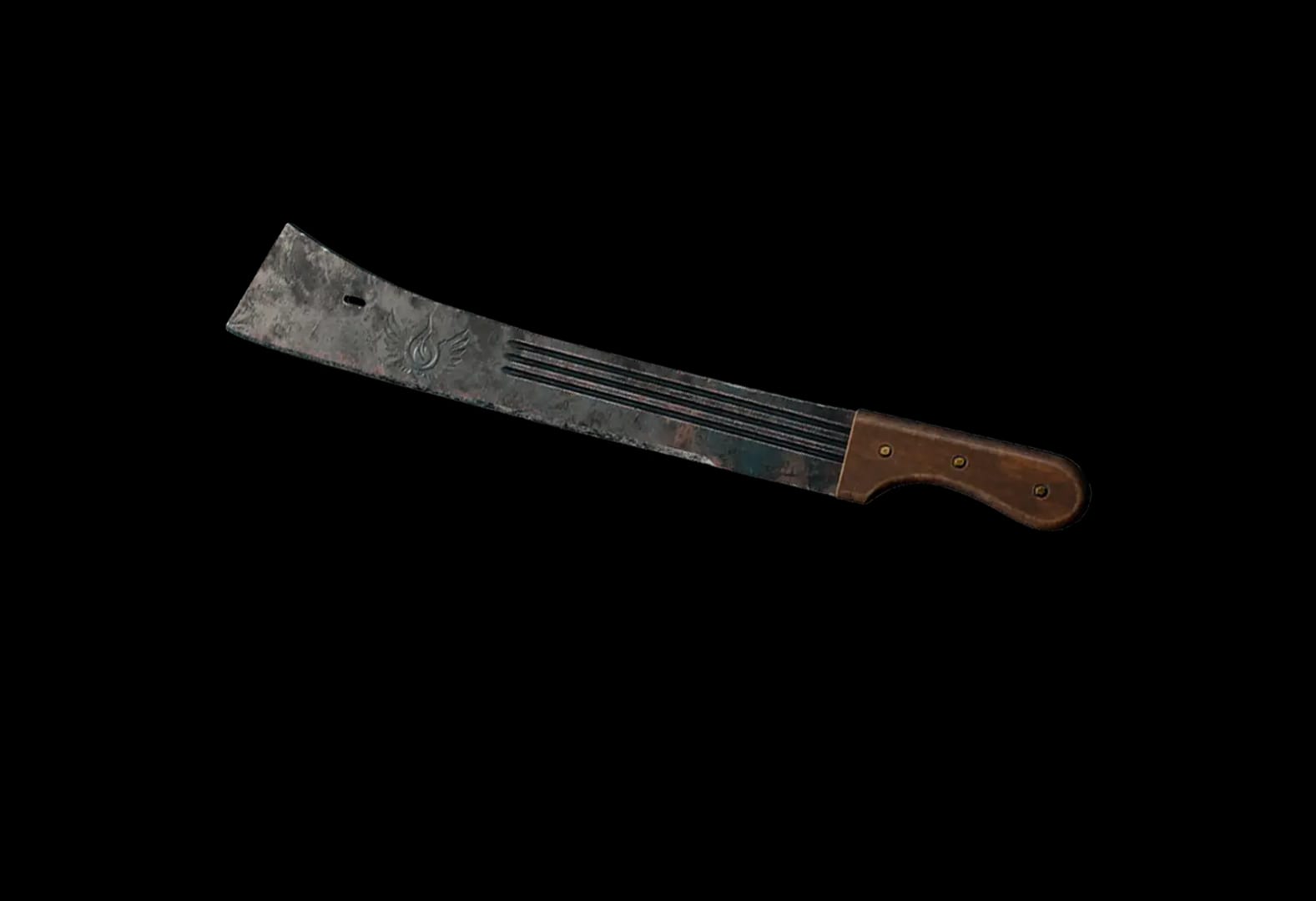
Machete (60 damage): Swift slash, ~2.4 seconds. Fastest execution. Inverted Spear of Heaven variant (Jujutsu Kaisen collab) has identical stats with enhanced visuals.
Sickle/Crowbar (60 damage): Hooking/striking motions, ~2.5 seconds. Mid-range speed.
Timing differences are critical—fractions of seconds determine survival in competitive play.
How to Execute: Step-by-Step
Mastering executions requires loadout planning and situational awareness. Competitive success rates: 35-40% contested situations, 75-80% with squad coordination.
Triggering Requirements
- Melee weapon actively equipped (no quick-switching)
- Frontal/side approach (rear approaches may fail)
- Clear of environmental obstacles
- Knocked enemy in standard state
Bind melee weapons to accessible keys for rapid transitions. Knocked players can crawl to complicate attempts—smart players immediately move toward teammates or cover.
Timing Windows
Press prompt within ~1.5 seconds of appearance. Optimal windows occur when enemies are: eliminated, suppressed, reloading, or distracted.
Pro tip: Track enemy ammunition expenditure and reload timings to identify safe windows.
Optimal Situations
Building control: Execute enemies inside your controlled structure while squad holds chokepoints.
Final circles: High-risk but eliminates threats before final engagements. Compressed space means closer enemies.
Squad wipes: Safest window—three eliminated, fourth knocked. Watch for third parties.
Vulnerability and Risk Analysis
You remain fully vulnerable during animations—no invulnerability. Any damage interrupts immediately. This makes executions high-risk commitments.
For competitive progression, buy pubg mobile royale pass uc through buffget's secure platform.
Animation Duration Breakdown
- Pan: 2.8 seconds—longest vulnerability
- Machete: 2.4 seconds—best speed/damage balance
- Sickle/Crowbar: 2.5 seconds—middle ground
In high-level play (200-300ms reaction times), 0.4 seconds = 1-2 additional enemy shots avoided.
Damage Vulnerability
Full damage throughout animation. Headshots apply normal multipliers—AWM headshot (105 damage) interrupts and likely kills you. Vector's 574 DPS interrupts almost instantly.
Explosives guarantee interruption. Smart defenders pre-cook grenades when seeing executions start.
Risk vs Reward
Execute when interruption probability <30%:
- Enemy teammates eliminated/suppressed
- Substantial cover during animation
- Squad maintains firing angles
- End-game scenarios where eliminating specific threats outweighs survival
Psychological warfare: Executions trigger emotional responses, forcing poor tactical decisions. Pro teams use executions as bait.
Counter-Execution Strategies
Defending requires proactive positioning and rapid response. Pro squads maintain 15m spacing in buildings, 25m in open terrain for immediate covering fire.
Squads with pre-planned execution response protocols interrupt 60-70% more frequently than improvised responses.
Interrupting Executions
Automatic fire: M416/AKM guarantee multiple hits. Most reliable method.
Headshots: Stationary target ideal for precise shooting. Mini14/SKS excel here.
Grenades: Pre-cook for impact explosion. Guaranteed interruption regardless of aim.
Teammate Intervention
Positioning: Hold angles with partial cover—peek, shoot, return to cover before enemy retaliation.
Timing: Coordinate with suppressive fire from squadmates. Don't trade your life for knocked teammate's survival.
Communication: Knocked players callout enemy approaching with melee immediately. Provides 2-3 extra seconds for positioning.
Defensive Positioning
Knocked movement: Crawl toward teammates/cover in unpredictable patterns. Use terrain for protection.
Building control: Knocked teammates inside your controlled building stay safe—enemies must push through chokepoints.
Pre-engagement spacing: Proper positioning prevents execution scenarios entirely.
Melee Weapon Meta
Execution system elevated melee weapons from emergency tools to tactical loadout considerations. Meta matured from aggressive early experimentation to selective high-value usage.
Four-month meta rotation cycle with balance updates every two months may adjust animation duration or damage.
Tier List
S-Tier: Pan (80 damage)
- Highest damage: two-hit kills unarmored opponents
- Bullet-blocking capability retained
- 2.8s animation only weakness
- Competitive priority for dual utility
A-Tier: Machete (60 damage)
- Optimal 2.4s execution speed
- Balanced damage output
- Preferred for speed-focused players
B-Tier: Sickle/Crowbar (60 damage)
- 2.5s animations
- No advantages over Machete
- Aesthetic preference only
Pan Mechanics
Bullet-blocking unchanged—blocks shots hitting your back when equipped/stored. Provides passive protection during retreats.
80 damage requires three hits vs. Level 2 vest (200 effective HP), compared to four hits for 60-damage weapons.
Pro technique: Approach with Pan equipped for bullet-blocking protection before initiating execution.
Machete vs Sickle vs Crowbar
Machete's 0.1s animation advantage = 2-3 fewer potential enemy shots. Marginal but accumulates across competitive seasons.
Practical selection: Machete for competitive optimization. Sickle/Crowbar viable for rare skins/aesthetics.
Damage Stats and Performance
Melee damage applies directly without falloff or range penalties. No body location variance (except potential headshot multipliers—unconfirmed officially).
Execution success rates: Pan 32% contested, Machete 38% contested. Animation duration significantly impacts success.
Base Damage Values
Pan: 80 damage—33% more per hit than alternatives
Machete/Sickle/Crowbar: 60 damage—functional equivalence in traditional combat
Damage consistency: All hits apply full damage regardless of strike location.
Attack Speed and DPS
Pan: ~1.2s intervals, 66.7 DPS (80 ÷ 1.2)
60-damage weapons: ~1.1s intervals, 54.5 DPS
Melee dramatically underperforms firearms (Vector: 574 DPS, pistols: 150+ DPS). Melee remains last resort—true value lies in executions and Pan's bullet-blocking.
Headshot Multipliers
Unconfirmed officially. Player testing suggests 1.5x multiplier:
- Pan: 120 damage headshots (potential one-shot unarmored)
- 60-damage weapons: 90 damage headshots
Inconsistent hit registration prevents definitive confirmation. No critical damage or backstab mechanics exist.
Close-Quarter Combat Strategies
Execution system added decision layer: when to transition firearms to melee. Building control now enables safer executions. Squad coordination requirements increased—widening gap between coordinated teams and solo queue.
Decision-Making Flowchart
- Assess threats: Count enemies, track ammunition states, evaluate positioning
- Evaluate value: Ammunition conservation, psychological warfare, denying revivals
- Verify support: Teammates positioned for covering fire, clear sightlines
- Execute or abort: Commit fully or abort immediately if factors change
Building Combat Tactics
Execution specialist role: One squad member maintains accessible melee weapon
Vertical positioning: Upper floor knocks safer—enemies must climb stairs to interrupt
Execution baiting: Fake execution attempts to bait aggressive rescues into prepared crossfire
Squad Coordination
Role assignment: Designate primary/secondary executioners and covering fire roles
Communication:Executing [location] callouts with covering confirmations
Post-execution: Immediately reposition—don't linger where enemies pre-aim
Common Misconceptions
Myth: Executions Provide Damage Immunity
Reality: Fully vulnerable throughout. Single pistol shot interrupts. Most dangerous misconception causing reckless attempts.
Myth: Identical Execution Times
Reality: 2.4s (Machete) to 2.8s (Pan). 0.4s difference = 7-8 potential M416 shots. Weapon selection matters tactically.
Myth: Executions Always Secure Eliminations
Reality: Interruption returns knocked enemy to previous state. Executions are high-risk attempts, not guaranteed finishers.
Advanced Pro Techniques
Pro players attempt executions in only 15-20% of possible situations—selective high-value scenarios only.
Tournament Timing
Ammunition tracking: Monitor enemy fire rates to predict reloads. Execute during reload windows.
Third-party awareness: Avoid executions when third parties likely nearby.
Circle timing: Forego executions when rotation timing is tight.
Psychological Warfare
Intimidation: Execute high-profile players (team leaders, star fraggers) to demoralize squads
Early-match dominance: Successful early executions create reputational advantages—opponents play more cautiously in subsequent matches
Execution baiting: Position as if executing, capitalize on predictable rescue attempts with crossfire
Counter-Play
Baiting recognition: Identify potential baits by observing enemy positioning—unusually aggressive angles suggest baiting
Disciplined defense: Maintain defensive positions, use utility (grenades/smoke) to interrupt rather than pushing aggressively
Counter-baiting: Appear to fall for trap while positioning to ambush the ambushers
Ranked Mode Impact
Executions count identically to standard eliminations for ranked points. No direct advantage beyond securing eliminations.
Survival time remains dominant factor—failed executions harm ranked gains by reducing survival time. Conservative usage prioritizing survival produces better outcomes.
Meta Shifts
Squad compositions: Dedicated execution specialists (entry fraggers) and execution coverage support roles
IGL responsibilities: Centralized execution authorization prevents impulsive attempts
Tournament Analysis
Top-tier teams: 65-70% execution success contested situations Mid-tier teams: 35-40% success
Skill gap in execution mechanics provides another separation dimension. Spectator appeal increased viewership engagement—execution statistics now featured in broadcasts.
FAQ
How does the execution system work? Approach knocked enemy with melee equipped. Prompt appears to initiate 2.4-2.8s animation. You remain vulnerable—any damage interrupts. Completion instantly eliminates enemy.
Best melee weapon for executions? Machete: fastest 2.4s animation. Pan: superior 80 damage and bullet-blocking. Choose based on speed vs. utility priority.
Can you cancel executions? No manual cancellation. Animation locks you until completion or damage interruption.
How to counter executions? Deal any damage to interrupt. Use automatic weapons for sustained fire or grenades for guaranteed interruption. Maintain angles on knocked teammates.
Does Pan still block bullets? Yes. Blocks shots hitting your back when equipped/stored. Unique defensive utility retained.
Execution animation duration? Pan: 2.8s, Machete: 2.4s, Sickle/Crowbar: 2.5s. Timing differences significantly impact success rates.