

Recommended Discounts

Roblox Gift Card-US
Tips: ONLY for United States Roblox Account. Grants only Robux and cannot be used toward a Premium subscription.
10% OFF
Related articles


Steal a Brainrot Defense Guide: Best Base Layouts 2026
The current meta combines bear traps, barricades, turrets, sentries, and alarms in a layered, choke-point-driven layout. Store highest-value Brainrot items on the top or third floor, funnel thieves into kill zones, and activate your base lock (60-second cooldown) during raids. Rebirth 18 unlocks 27 base slots — maximum capacity — giving late-game defenders a decisive edge over max-level thieves.
Buffget
Why the Defense Meta Changes Everything
The defense meta is the community-validated optimal combination of trap types, layouts, and storage strategies. It's not fixed — it shifts whenever trap stats, thief abilities, or base grid mechanics change in a patch.
Max-level thieves aren't random. They follow predictable pathing logic, exploit gaps in poorly designed bases, and bypass single-layer defenses with ease. Two principles define the current meta: placement beats quantity, and layered defense beats single-ring protection. Internalize these before building and you'll outperform players who just stack traps near the entrance.
How Max-Level Thieves Actually Operate
Thieves path toward your highest-value items first — so storage placement directly controls where they go. Three archetypes require different counters:
- Speed Thieves — Move fast through corridors. Counter with high-trigger-radius passive traps at corridor intersections, not hallway ends.
- Tank Thieves — Absorb heavy damage. Single trap types won't stop them. Use slow effects chained into burst damage.
- Boss Thieves — High HP plus special abilities that bypass standard setups. Require your deepest kill zones and highest-DPS trap clusters positioned internally, not at the perimeter.
Pro tip: Thieves spend at least 30 seconds on the server before acting. Use that window to activate your base lock and trigger alarms before the raid begins.
Every Trap Type: Stats, Strengths & Roles
- Bear Traps — High-damage passive traps. Most effective on the third floor where thief movement is funneled and predictable.
- Barricades — Force thieves into specific corridors. Not damage dealers, but essential for engineering choke points.
- Turrets — Continuous-fire units. Position at elevated internal points for maximum coverage — internal placement protects against attack angles that perimeter-only setups miss.
- Sentries — Hold off one player at a time. Most effective in narrow corridors where only one thief advances simultaneously.
- Alarms — Trigger on intrusion. Paired with base lock, they give you the reaction window to activate your 60-second cooldown before thieves reach storage.
Passive traps (bear traps, barricades) auto-trigger without player input — ideal for unattended defense. Active traps (alarms, lock activation) require player response but deliver higher situational impact.
Want to unlock more defense options faster? Buy Robux safely online through buffget — competitive pricing, fast delivery, and secure transactions trusted by thousands of Roblox players.
Trap Synergy Combos: What Actually Works
The strongest synergies follow a slow → burst damage pattern.
Top combos:
- Barricade + Bear Trap — Barricades force thieves onto a fixed path; bear traps at the end guarantee a trigger. The foundational choke point combo.
- Sentry + Turret — Sentries hold a thief in place while turrets deal continuous damage. Neutralizes Tank Thieves in narrow corridors before they reach mid-zone storage.
- Alarm + Base Lock — Alarm triggers first, giving you the window to activate the 60-second lock. Most effective active defense sequence in the game.
Pitfalls to avoid:
- Two high-cooldown traps in the same corridor create an exploitable gap — if both trigger simultaneously and enter cooldown, a fast thief passes through uncontested.
- Clustering multiple sentries in one zone wastes their single-target utility. Distribute them across different choke points.
The Meta Layout System: Three Defense Rings
The Choke Point Principle
A choke point narrows the path to a single entry. Thieves can't spread out or bypass traps — they move through sequentially. Use barricades to engineer choke points at every major zone transition.
Three-Ring Layered Defense
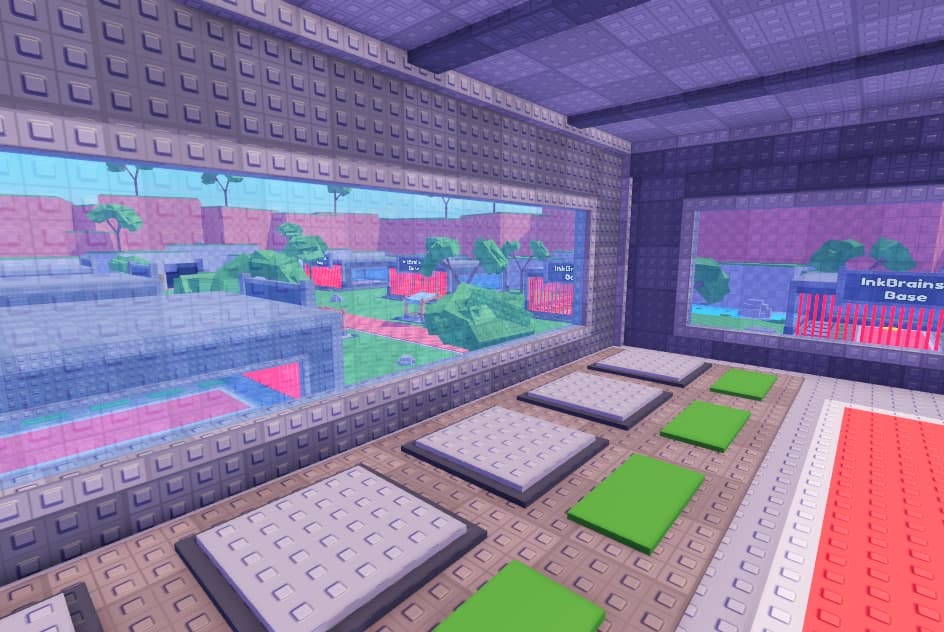
- Outer Perimeter — Alarms and barricades. Designed to detect and funnel, not eliminate. No high-value traps here.
- Mid-Zone — Bear traps and sentries at choke points. Where the majority of thief eliminations happen.
- Inner Vault — Elevated turrets surrounding your highest-value Brainrot storage. Handles anything that breaks through mid-zone.
Maze-Style vs. Compact Fortress
Maze-style uses long winding corridors to exhaust thieves and expose them to multiple trap triggers. Highly effective against Speed Thieves but requires more base slots — best for Rebirth 18 players with all 27 slots unlocked.
Compact fortress concentrates defenses in a tighter footprint with higher trap density per unit. Performs better against Tank and Boss Thieves because the kill zone is reached faster. Mid-game players with limited slots should default to this.
Funneling Strategy
Place decoy rooms filled with low-value items near your entrance. Thieves path toward these first, buying time and directing them into pre-positioned kill zones instead of letting them search freely for actual high-value storage.
Step-by-Step: Building a Meta Base Layout
- Map your grid and identify the vault zone. Highest-value Brainrot items belong on the highest floor or third floor — hardest for thieves to reach quickly.
- Design your outer perimeter. Alarms at all entry points. Barricades to eliminate open-path access and force thieves into designated corridors.
- Build choke points. Every corridor toward mid-zone narrows to single-file. Barricades on both sides prevent route deviation.
- Layer mid-zone synergy combos. Bear traps at the end of each choke point corridor. Sentries at corridor entrances to slow movement before thieves reach the trigger zone.
- Reinforce the inner vault. Turrets at elevated positions surrounding storage. Additional walls and bear traps around high-value items. Nothing critical near entrances.
- Spread valuables across multiple compartments. Don't concentrate all high-value Brainrot in one location — a single breach shouldn't mean total loss.
- Rotate storage locations frequently. Repeat raiders learn your layout. Rotation prevents pattern exploitation.
Need to unlock additional base floors and defense slots faster through Rebirth progression? Cheap Robux top up online fast via buffget — reliable, high-rated service with excellent support and wide game coverage.
Layout Examples by Progression Stage
Beginner (Limited Slots): One strong choke point at mid-zone entrance. One barricade pair to narrow the path, one bear trap at the trigger point, one sentry at the corridor entrance. All valuables on the highest available floor. Keep it simple — complexity without sufficient slots creates gaps.
Mid-Game (Post-Rebirth 1): Rebirth 1 unlocks a 10-second lock extension, meaningfully increasing your active defense window. Two-ring system: outer alarms plus barricades, mid-zone bear trap and sentry combos. Add a decoy room near the entrance with low-value items to misdirect thieves.
Late-Game (Rebirth 18, 27 Slots):
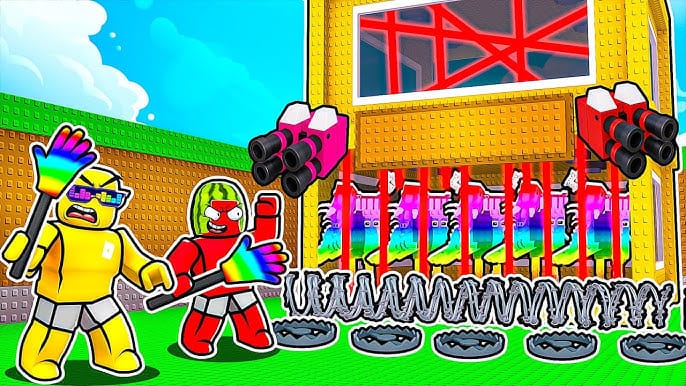
Full three-ring layered defense. Maze-style corridors for outer and mid zones, compact fortress design around the inner vault. Turrets at elevated internal points, bear traps distributed across all floors, active alarm coverage at every zone transition. Monitor raid logs regularly to identify exploited entry points and adjust placement.
After a Patch — Three-Question Audit:
- Were any primary damage traps (bear traps, turrets) buffed or nerfed?
- Did thief HP or movement speed change in a way that affects choke point timing?
- Does my current funnel design still direct thieves into my strongest kill zones?
Upgrade Priority: Maximum Defense ROI
Spreading upgrades evenly produces mediocre defense everywhere. Concentrate on the right traps first.
Recommended order:
- Bear Traps first — Primary damage dealers in choke points. Upgrading them directly increases kill zone effectiveness.
- Turrets second — Continuous inner vault coverage that compensates for bear trap cooldown gaps.
- Sentries third — Once kill zones are established, upgraded sentries extend thief exposure time in trigger zones.
The most common mistake: over-investing in outer perimeter defenses (alarms, barricades) while leaving inner vault traps at base level. Alarms don't deal damage — upgrading them before damage-dealing traps leaves your core zone exposed.
Red laser gates, when available, add a 30–60 second lock layer. Prioritize these for inner vault access points.
10 Mistakes That Let Max-Level Thieves Win
- Random trap placement without a funnel plan — Traps not on a forced path never trigger.
- Over-investing in the outer perimeter — Alarms and barricades slow thieves; they don't stop them.
- Ignoring trap cooldowns — Two high-cooldown traps in the same corridor create an exploitable gap window.
- Clustering sentries — Single-target utility wasted when grouped. Distribute across choke points.
- All valuables in one location — A single breach should never mean total loss.
- High-value items near entrances — The single most common mistake. Always position critical resources deep inside.
- Never rotating storage — Repeat raiders learn your layout fast.
- Same layout against every thief type — Speed Thieves and Tank Thieves need different counters.
- Skipping decoy rooms — Decoys redirect pathing and buy critical time.
- Assuming more traps equals better defense — Placement, synergy, and upgrade level consistently outperform quantity without strategy.
Keeping Your Defense Patch-Proof
The meta isn't static. Any patch modifying trap damage, cooldown values, thief HP, or base grid mechanics can shift optimal layouts.
Build flexibility in from the start. Avoid designs that rely entirely on one trap type performing at a specific damage threshold — these collapse immediately when that trap gets nerfed. A mixed layout using bear traps, sentries, and turrets in combination is inherently more patch-resistant than any mono-trap strategy.
And if you want zero-risk protection regardless of patch status: private servers offer 100% theft protection at 100 currency per month — the only guaranteed defense option in the game.
FAQ
Q: What's the best trap layout to stop max-level thieves? A: Three-ring layered defense — outer alarms and barricades to funnel, mid-zone bear traps and sentries at choke points, elevated turrets around the inner vault. Store all high-value Brainrot on the highest floor or third floor.
Q: Does more traps always mean better defense? A: No. Placement, synergy, and upgrade level matter far more than quantity. A well-positioned bear trap at a choke point outperforms three randomly placed traps thieves never trigger.
Q: How do I create a choke point? A: Barricades on both sides of a corridor narrow it to single-file. Bear trap at the end, sentry at the entrance. Thieves move through your highest-damage zone sequentially with no way around it.
Q: Maze layout or fortress layout — which is better? A: Depends on your Rebirth level and thief type. Maze works best against Speed Thieves at late-game slot counts (27 slots, Rebirth 18). Compact fortress performs better against Tank and Boss Thieves and is more practical for mid-game players.
Q: Which traps should I upgrade first? A: Bear traps first (kill zone damage), turrets second (inner vault coverage), sentries third (choke point hold time). Don't upgrade alarms or barricades before your damage-dealing traps are maxed.
Q: How does the base lock work? A: Base lock triggers a 60-second protection window. Red laser gates add 30–60 seconds. Rebirth 1 unlocks a 10-second extension. Use alarms to detect intrusion early so you activate the lock before thieves reach mid-zone.
🔒 Want the full Steal a Brainrot defense playbook? buffget has the most up-to-date trap tier lists, patch-proof base layouts, and pro strategies in one place. Bookmark buffget now and never lose your Brainrot items to a max-level thief again.