

Recommended Discounts

Tango Live Coins
Need a Tango Live Top Up? Buy Tango Coins at Buffget for fast and secure delivery. No password required! Simply enter your Unique ID to recharge in minutes. 24/7 instant service for all your gifting needs.
20% OFF
Related articles


Tango Live Coin Reseller Guide: 20% Profit Business 2026
Tango Live Coin reselling offers 15-20% profit margins by providing discounted top-ups to users. Official packages range from 120 Coins ($0.99) to 13,500 Coins ($199.99). Resellers leverage bulk purchasing to deliver 10-20% savings while maintaining healthy margins.
Buffget
Understanding the Tango Live Coin Reseller Business Model
What is a Tango Live Coin Reseller?
A Tango coin reseller operates as intermediary between bulk suppliers and end users needing coins for gifting, premium broadcasts, and fan subscriptions. The model capitalizes on price arbitrage—buying at wholesale, selling at competitive retail below official rates.
Premium broadcasts require 500+ diamond balance. Fan subscriptions cost 499-4,999 coins monthly. This consistent demand creates stable customer base for resellers offering reliable, fast delivery at discounts.
Platforms like buffget offer Tango Live coins recharge with competitive pricing and instant delivery.
How the Top-Up Ecosystem Works
Conversion: 2 coins = 1 diamond. 200 diamonds = $1 USD. Platform deducts 30% fee before crediting broadcasters. A 1,000 coin gift (500 diamonds, $2.50 value) nets broadcaster $1.75.
Official pricing tiers:
- 120 Coins: $0.99 ($0.00825/coin)
- 600 Coins: $4.99 ($0.00832/coin)
- 1,200 Coins: $9.99 ($0.00833/coin)
- 2,600 Coins: $19.99 ($0.00769/coin)
- 6,500 Coins: $49.99 ($0.00769/coin)
- 13,500 Coins: $199.99 ($0.0148/coin)
Resellers add value through bulk discounts, payment flexibility, and 24/7 support.
Why 2026 is Optimal Entry Time
Tango Live's global expansion continues strong. Reseller Benefits Program (effective March 1, 2025) formalized high-volume distributor relationships. Updated nominal prices (January 29, 2026) provide stable cost structures for accurate margin planning.
The industry has matured with established best practices, automated delivery systems, and professional operator advantages. Early 2026 entrants can build brand recognition before market saturation.
The 20% Profit Margin Breakdown
Highest tier ($300K+ monthly) yields 20% coins for personal use, Triple Stars Ribbon, 2 monthly mega coupons. Smaller operators start lower and scale progressively.
Example: 13,500 coins at official $199.99 = $0.0148/coin. With 15% bulk discount, cost drops to $169.99 ($0.0126/coin). Selling at 10% below retail ($179.99) generates $10 profit—5.9% margin.
Key: purchase larger denominations at discount, repackage into smaller high-margin units. Achieving 20% requires accessing coins at $0.0065/coin through highest tiers or regional pricing.
Initial Investment Requirements
Minimum Capital Needed
Entry-level: $500-$1,000 covers inventory, systems, marketing. Supports 3,000-6,000 coins, fulfilling 15-30 transactions while testing demand.
Mid-tier: $3,000-$5,000 maintains adequate turnover and better bulk pricing. Supports 20,000-30,000 coins, 100+ monthly transactions.
$150K monthly threshold = professional-scale with 10% coins for personal use, One Star Ribbon. Prove model at smaller scales first.
Cost Breakdown
Inventory (60-70%): For $1,000 budget, allocate $600-$700. Prioritize popular denominations: 600, 1,200, 2,600 coin packages.
Systems (10-20%): $100-$200 for payment processing, CRM tools, automated delivery. Start manual with spreadsheets before automation.
Marketing (20-30%): $200-$300 for social ads, promotional discounts, landing page. Focus on Tango user communities.
First 3 Months Budget
Month 1: Market validation. $1,000 investment → $1,200-$1,500 revenue, $200-$300 gross profit. Reinvest 80-90% into inventory.
Month 2: Scale proven channels. Revenue increases 50-100% over month one. Gross profits: $400-$600.
Month 3: Operational efficiency. Revenue: $3,000-$5,000 monthly. Gross profits: $600-$1,000 before expenses.
Hidden Costs
- Payment processing: 2-5% of revenue
- Customer service: 10-15 hours at 50 monthly transactions
- Refunds/chargebacks: 1-3% of transactions
- Currency fluctuations: 2-3% on cross-border sales
Step-by-Step Launch Guide
Step 1: Market Research
Document official Tango pricing and competitor rates. Typical discount: 10-15%. Survey user communities for pain points: limited payment methods, slow delivery, poor support.
Calculate minimum viable pricing backward from target margins. For 20% gross margin with $0.0126/coin cost, sell at $0.01575/coin minimum.
Step 2: Secure Coin Supply
Prioritize delivery reliability over lowest pricing. Test suppliers with 1,200-2,600 coin orders. Evaluate speed, quality, support responsiveness.
Diversify supply: maintain 2-3 suppliers. Primary handles 70-80% inventory, secondaries provide backup.
Buffget provides resellers competitive wholesale rates, automated delivery, dedicated account management for high-volume operations.
Step 3: Payment & Delivery Systems
Accept customer-preferred methods: credit cards, digital wallets, bank transfers, mobile money. Each method expands market but adds complexity.
Delivery workflow: receive order with Tango ID → purchase from supplier → confirm delivery → send notification. Manual initially, automate at 50+ monthly transactions.
Target delivery: 5-30 minutes during business hours. Set clear expectations.
Step 4: Customer Acquisition Funnel
Create landing page with clear value proposition: discounted coins, fast delivery, secure transactions, responsive support. Include specific pricing, testimonials, prominent CTAs.
Join Tango user communities. Provide genuine value, mention services when relevant. Avoid aggressive self-promotion.
Referral program: 5-10% bonus coins for successful referrals. Track carefully.
Step 5: First Marketing Campaign
Social media ads targeting Tango demographics. Start with $50-$100 test budget across 3-4 ad variations.
Launch promotion: 15% first-time discount or bonus coins. Create urgency.
Monitor daily first week. Track cost per acquisition vs. customer lifetime value. Sustainable growth requires 3:1 LTV:CAC ratio.
Sourcing Wholesale Coins
buffget Competitive Rates
Professional resellers benefit from established platforms offering comprehensive support beyond pricing. Tango top up online infrastructure includes automated delivery, bulk options, dedicated account management.
Wholesale tiers correlate with monthly volume:
- Entry-level: 5-10% discounts
- $5K-$10K monthly: 12-15% discounts
- Higher volume: negotiate further
Delivery reliability and support justify slightly higher costs vs. unknown suppliers.
Evaluating Supplier Reliability
Research operational history. Red flags: frequent delivery failures, poor communication, sudden price increases, unsecured payment requests.
Test delivery speed/accuracy through 10-15 small transactions at different times. Document baseline performance.
Verify sourcing methods align with platform terms. Unauthorized methods risk account suspension despite low prices.
Negotiating Bulk Discounts
Approach with specific volume commitments: I'll purchase $10K monthly for six months. Demonstrate seriousness through consistent history.
Suppliers operate on 5-8% margins. Requesting 25% discounts shows unrealistic expectations. Ask for 2-3% improvements.
Consider non-price concessions: extended payment terms, priority delivery, dedicated support, early feature access.
Building Supplier Relationships
Treat as strategic partners. Consistent communication, prompt payment, reasonable expectations foster preferential treatment.
Provide improvement feedback. Share insights on delivery delays, technical issues, customer confusion.
Diversify strategically: 1-2 core suppliers (70-80% inventory), 1-2 backups. Balances relationship depth with resilience.
Pricing Strategy for 20% Margins
Competitive Analysis
Document competitor pricing across all packages monthly. Official vs. major reseller rates:
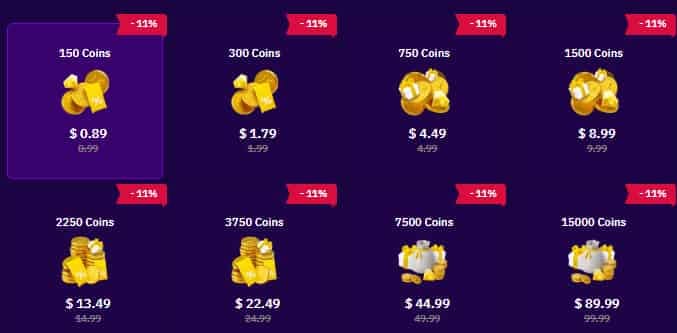
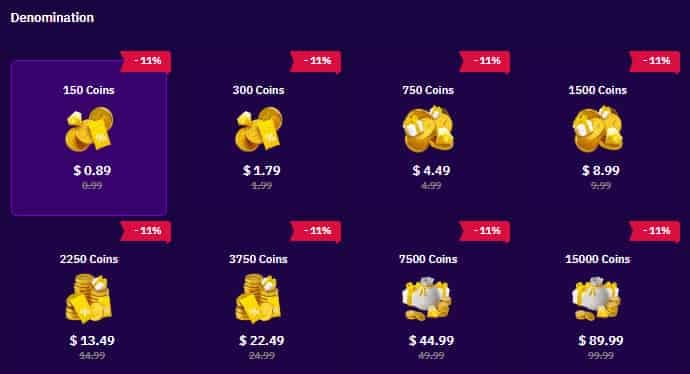
- 120 Coins: $0.99 → $0.89 (10% off)
- 600 Coins: $4.99 → $4.49
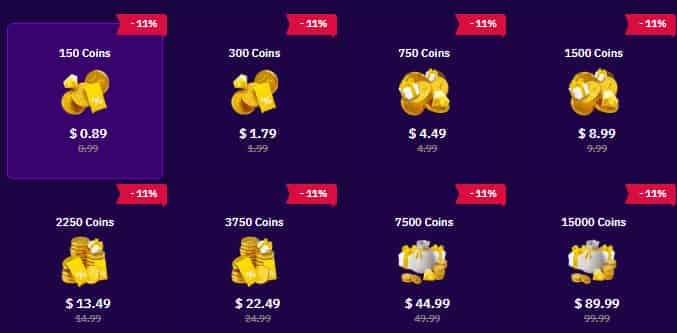
- 1,200 Coins: $9.99 → $8.99
- 2,600 Coins: $19.99 → $17.99
- 6,500 Coins: $49.99 → $44.99
- 13,500 Coins: $199.99 → $179.99
Offer custom amounts (800, 3,000, 10,000 coins) to reduce direct comparison.
Dynamic Pricing Models
Tiered pricing:
- First-time: standard rates
- Repeat customers: 2-3% additional discount
- High-volume ($500+ monthly): 5-7% VIP pricing
Adjust for inventory/cash flow. High inventory + tight cash = limited-time promotions. Low inventory = premium pricing.
Psychological pricing: $4.47 vs. $4.50. Or 650 Coins at $4.99 (8.3% more value than official 600).
Volume vs. Margin Trade-offs
100 packages at 20% margin = 200 packages at 10% margin in gross profit. Higher margins with moderate volume often more sustainable.
Test pricing elasticity with 2-3% adjustments. Measure demand response. If 2% increase causes <2% volume decline, profitability improved.
Position slightly above lowest competitors. Emphasize superior service, faster delivery, better support.
Seasonal Adjustments
Demand spikes: evenings, weekends, holidays, broadcaster events, platform promotions. Increase inventory, potentially premium pricing.
Promote during slow periods (mid-week, mid-month) with 10-15% bonus coins.
Align promotions with platform events. Coordinate complementary offers capturing increased interest.
Essential Tools & Systems
Automated Delivery Platforms
Essential at 50-100+ monthly orders. Manual processing takes 10-15 min/transaction. At 100 monthly = 16-25 hours. Automation reduces to 2-3 hours oversight.
Systems integrate payment, supplier APIs, customer notification. Auto-process payment → submit purchase → monitor delivery → send confirmation.
Flat monthly fees ($50-$200) suit high-volume. Percentage-based (1-3%) better for variable volume.
Inventory Management
Track: total available, allocated to pending orders, by supplier, average cost basis. Prevents overselling, enables profit calculation.
Reorder points: if selling 5K coins weekly with 2-3 day supplier delivery, reorder at 2K-2.5K coins.
Inventory turnover: coins sold ÷ average inventory. Healthy: 4-6x monthly. Lower = overstocking. Higher (8x+) = stockout risk.
CRM Tools
Track purchase history, preferred packages, communication preferences, service issues. Enables personalized marketing, identifies VIP customers.
Segment by lifetime value:
- High-value (top 20%): proactive outreach, exclusive offers, priority support
- Medium: standard service, periodic promotions
- Low/one-time: automated re-engagement
Automated sequences: welcome emails, delivery confirmations, satisfaction surveys, re-engagement (30-60 days inactive).
Payment Integration
Multiple methods maximize conversion:
- Credit cards: 2.9-3.5% fees, most customers
- Digital wallets: convenience, no card sharing
- Bank transfers: <1% fees, slower processing
Fraud prevention: email verification, flag large first orders, maintain delivery records.
Research processor policies on digital goods. Some classify as high-risk with higher fees, rolling reserves (5-10% held 90-180 days), or prohibition.
Customer Acquisition
Target Demographics
Frequent gifters: Regular broadcaster supporters. High-value, multiple monthly purchases. Prioritize convenience/reliability over lowest price.
Broadcasters: Purchase for testing features, platform events, gifting others. Value bulk options, consistent availability.
New users: Small initial purchases testing features. Offer first-purchase discounts, convert to repeat customers.
Digital Marketing Channels
Social media ads: Facebook/Instagram targeting Tango users, live streaming enthusiasts. Start $10-$20 daily testing variations.
Content marketing: Blogs, videos, posts educating on Tango features, coin strategies, platform tips. Build authority, attract organic traffic.
Influencer partnerships: Broadcasters promote to engaged followers. Offer 10-15% commission on referral sales or free coins.
Building Trust
Display clear pricing, delivery timeframes, terms prominently. Transparency builds trust.
Showcase testimonials once accumulated. Real experiences outweigh marketing claims.
Active support: email (24-hour response), live chat (business hours). Quick acknowledgment maintains confidence.
Leveraging Social Proof
Collect feedback systematically. Automated surveys 24-48 hours post-delivery. Incentivize with bonus coins.
Display metrics: Over 5,000 successful deliveries or Trusted by 1,000+ users. Update regularly.
Address negative feedback publicly, professionally. Demonstrate commitment to resolution.
Risk Management & Compliance
Terms of Service Compliance
Familiarize with Tango Live TOS on coin purchases/reselling. Operate within official reseller frameworks.
Avoid unauthorized methods. VPN for regional pricing may violate TOS, risk account bans.
Document compliance: clear policies, supplier agreements, operational procedures. Supports case during disputes.
Avoiding Scams
Verify supplier legitimacy before payment. Test new suppliers with small orders. Research reputation through multiple sources.
Protect from customer fraud: require exact Tango user ID, verify delivery, maintain proof.
Beware too good to be true offers. Legitimate wholesale follows predictable volume-based patterns. 40-50% discount claims often indicate scams.
Account Security
Strong authentication for all systems. Unique, complex passwords. Enable two-factor authentication.
Separate business and personal accounts. Protects personal assets, simplifies accounting, presents professional image.
Regular backups: customer data, transaction records, financial info to secure, off-site locations.
Tax Obligations
Understand digital goods reselling tax in your jurisdiction. Most treat as taxable income.
Track inventory costs using FIFO, LIFO, or weighted average. Accurately calculate COGS and taxable profit.
Consult tax professionals familiar with digital goods/virtual currency. Treatment varies by jurisdiction.
Scaling for Long-Term Growth
When to Expand
Scale after 3-6 months consistent profitability with clear growth opportunities. Premature scaling wastes capital.
Expand inventory gradually as sales increase. Proportional growth maintains healthy cash flow.
Enter new segments/regions systematically. Test before committing major resources.
Hiring vs. Automation
Evaluate cost-effectiveness per function. Customer service benefits from human touch. Order processing ideal for automation.
Consider virtual assistants/part-time contractors before full-time employees. Variable costs align with fluctuating volumes.
Automate repetitive, high-volume tasks: payment processing, delivery confirmation, inventory alerts, routine communications.
Diversifying Product Lines
Serve existing customers with complementary products. Tango customers may use other platforms.
Evaluate based on operational fit and margin potential. Similar sourcing/delivery/support integrates easily.
Test with limited inventory and targeted marketing. Validate demand before heavy investment.
Key Performance Metrics
Financial: Revenue, gross profit, net profit monthly. Growth indicates traction, profitability determines sustainability.
Customer: CAC (marketing spend ÷ new customers) vs. LTV (average revenue per customer). Sustainable: 3:1 LTV:CAC.
Operational: Inventory turnover, delivery success rate, customer retention. Declining metrics signal issues.
Common Mistakes
Underestimating Customer Service
10-20% of transactions generate inquiries. At 100 monthly transactions = 2-5 hours weekly.
Budget time proportionally. Implement self-service resources (FAQs, help docs, order tracking) to reduce per-transaction time.
View as competitive advantage. Exceptional support differentiates from price-only competitors.
Poor Cash Flow Management
Don't over-invest in inventory. Maintain 2-4 weeks sales based on current volume, not projections.
Understand cash conversion cycle: time between paying suppliers and collecting payments.
Maintain 1-2 months operating expense reserves for unexpected challenges.
Ignoring Competition
Monitor competitor pricing, offerings, marketing monthly. Adjust strategy accordingly.
Don't compete solely on price without sustainable cost advantages. Differentiate through service, speed, payment options, experience.
Identify underserved niches. Dominate where competition is limited.
No Loyalty Programs
Acquiring new customers costs 5-7x more than retaining existing.
Tiered loyalty:
- Bronze (1-3 purchases): standard pricing
- Silver (4-10): 3% additional discount
- Gold (11+): 5% extra + priority support
Communicate regularly beyond transactions. Monthly newsletters with tips, updates, exclusive promotions.
Success Stories
Side Hustle to Full-Time
Month 1: $500-$1K capital, 20-30 transactions, $100-$200 gross profit.
Month 3: 80-100 transactions, $600-$800 gross profit, $400-$500 net.
Full-time transition: 300-500 monthly transactions, $2K-$3K net monthly profit. Reached within 6-12 months.
Lessons from Experienced Resellers
Systems over individual transactions. Document procedures, automate routine tasks, create scalable workflows.
Customer relationships drive long-term success. Invest in understanding needs, exceptional service, genuine relationships.
Patience and persistence. 3-6 months to consistent profitability, 12-18 months to meaningful income.
Revenue Projections by Volume
Entry (50-100 transactions): $1,500-$3K revenue, 15-20% gross margin, $225-$600 gross profit, $150-$400 net.
Mid-tier (200-400): $6K-$12K revenue, 18-22% margin, $1,080-$2,640 gross, $800-$2K net.
High-volume (800+): $24K+ revenue, 15-18% margin, $3,600-$4,320 gross, $2,500-$3,500 net.
FAQ
How much to start? $500-$1K covers inventory ($300-$700), systems ($100-$200), marketing ($100-$200). Supports 15-30 initial transactions.
What profit margins? 15-20% gross margins. Entry-level: 12-15%. Experienced: 18-22%. Net margins: 10-15% after expenses.
How to find customers? Social media ads, content marketing, online forums. First-purchase discounts attract initial customers. Exceptional service generates referrals. Loyalty programs encourage repeats.
Time to profitability? Positive gross profit month one. Net profitability: 2-4 months. Meaningful income ($1K+ monthly): 6-12 months. Full-time potential: 12-18 months.
Biggest risks? Supplier reliability, platform policy changes, payment fraud, competitive pricing pressure. Mitigate through diversification, TOS compliance, fraud prevention, differentiation.
Can I automate? Yes, essential at 50-100+ transactions. Reduces manual effort from 10-15 min to 2-3 min per transaction. Initial investment: $100-$500.
Ready to start? Visit buffget for wholesale rates, automated delivery, comprehensive reseller support. Join successful resellers building profitable businesses serving the Tango Live community!