
_39828.jpg)

Related articles


Blood Strike Movement Tech: Slide Cancel & Zipline Jukes
Slide canceling and zipline jukes sustain 115–120% movement speed indefinitely — versus the standard slide's decay to 80% after 1.2 seconds. With the right perks, loadout, and sensitivity settings, these techniques create 3–5 second flanking advantages opponents can't react to in time.
Buffget
What Is Blood Strike Movement Tech?
Movement tech exploits Blood Strike's physics and animation systems to move faster and less predictably than default sprint-and-shoot mechanics. The three techniques worth mastering:
- Slide canceling — chain slides to maintain peak speed indefinitely
- Zipline jukes — lateral movement and exit timing to become nearly unhittable mid-traverse
- Wall-cancels — redirect momentum using geometry while retaining 85–95% pre-contact speed
Base sprint sits at 100%. A standard slide hits 120% but decays to 80% over 1.2 seconds — meaning players who don't cancel are slower than sprinting by animation's end. Slide canceling eliminates that decay entirely.
In ranked, that speed differential means arriving at flank positions 3–5 seconds before opponents can rotate. In Blood Strike's compressed combat zones, 3 seconds is the difference between a clean kill and walking into a pre-aimed crosshair.
Slide Canceling: Complete Breakdown
Frame-by-Frame Mechanics

Slide canceling interrupts the slide animation before speed decay kicks in, then immediately re-enters the slide to reset the speed counter. At 60 FPS, the cancel window is 2–4 frames (33–66ms). At 120 FPS: 16–33ms. At 144 FPS: 14–28ms.
Precise frame sequence:
- Frames 1–15: Sprint initiation — build full momentum
- Frame 16: Input first slide
- Frames 18–20: Cancel window opens — this is your input target
- Frame 21: Momentum preservation locks in if cancel succeeded
- Frames 22+: Chain continuation — repeat from slide input
The input buffer is 3–5 frames. Consistency comes from rhythm, not reaction speed.
Mobile Execution: Exact Input Sequence
- Sprint minimum 2 seconds before initiating the first slide — this builds the momentum base the cancel relies on
- Input the second slide before the landing animation completes — window is 20–25 frames (333–416ms at 60 FPS)
- Target 2.4–3 slide-cancel inputs per second for sustained infinite sliding
The most common mistake: treating slide canceling like crouch-spamming. Crouch-canceling kills momentum entirely. Slide canceling resets the speed counter at peak velocity — the input must land inside the 2–4 frame window, not randomly.
Timing Windows by Frame Rate
- 60 FPS: 33–66ms — achievable with practice, requires consistent rhythm
- 120 FPS: 16–33ms — tighter, but smoother animation feedback helps calibration
- 144 FPS: 14–28ms — demands near-perfect muscle memory
60+ FPS is the minimum for reliable slide canceling. 120+ FPS is the recommended standard for competitive play. Below 60 FPS, movement tech feels inconsistent regardless of inputs.
Zipline Jukes: How to Become Impossible to Hit Mid-Traverse
How the Exploit Works
Ziplines move your character along a fixed path, but your hitbox isn't perfectly locked to it. Lateral input during travel creates micro-deviations that are difficult to track at medium-to-long range — exploiting the gap between your visual position and where enemy aim prediction places you.
Three-Phase Execution
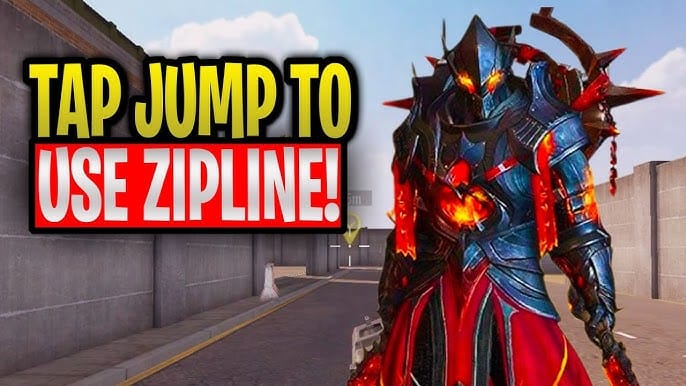
- Entry angle: Approach at 25–45° rather than straight-on. Creates initial lateral momentum that carries into the traverse.
- Mid-zip sway: Alternate directional inputs — left, right, left — at irregular intervals. Predictable rhythm is easier to track; irregular sway isn't.
- Exit timing: Dismount 1–2 frames before the endpoint. Preserves momentum for an immediate slide cancel on landing, chaining directly into your flank engagement.
Pro tip: Ice Barrier pairs exceptionally well here. With 1,000 HP and a 25-second duration, deploying it 1–2 frames before wall contact during your exit creates a brief shield that absorbs the first enemy burst while you transition into your slide cancel sequence.
Why Jukes Create Predictable Confusion Windows
When enemies spot you on a zipline, instinct is to pre-aim the endpoint. A well-executed juke with early dismount breaks that pre-aim entirely — their crosshair is where you should have landed, not where you do. That reaction gap is typically 3–5 seconds, enough to close distance and engage from an unexpected angle.
If spotted early during the zipline phase, dismount immediately. A predictable zipline exit is one of the easiest kills in the game.
The Full Aggressive Flank Combo
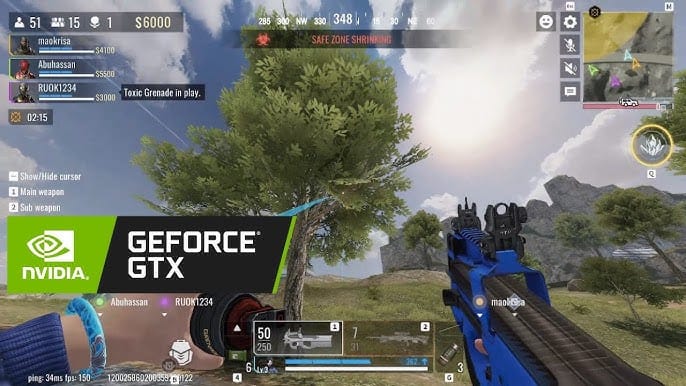
- Sprint approach (minimum 2 seconds) toward zipline entry
- Zipline entry at 25–45° angle
- Mid-zip lateral sway — irregular timing, not rhythmic
- Early dismount 1–2 frames before endpoint
- Immediate slide cancel chain on landing — 2.4–3 inputs/second
- Engage from the unexpected arrival angle
You arrive faster than a sprinting opponent, from an angle they weren't tracking, with momentum that lets you strafe immediately rather than planting and shooting. The speed advantage compounds at every stage.
Loadouts That Synergize With Movement Tech
Weapon Class Breakdown
- SMGs: Best overall synergy. High fire rate at close-to-mid range matches the engagement distances slide cancel flanks produce. Minimal movement speed penalty.
- Shotguns: Highest damage at the close range your zipline exit creates, but punishing if the flank doesn't fully close distance. Best as a secondary.
- ARs: Viable for mid-range follow-up, but heavier ARs reduce movement speed — check your weapon's mobility stat before committing.
Speed-Boosting Perk Stack
- Parkour Master: +25% speed boost
- SPIKE Level 3: +10% speed bonus
- Combined: +35% total on top of base sprint speed
- Level 5 Machine Gun: +33% speed boost (situational)
Stacking Parkour Master with SPIKE Level 3 pushes slide cancel speed from 115–120% base into territory that makes you genuinely difficult to track even for players with strong aim.
For players looking to discount Blood Strike strike pass options and unlock movement-focused operators faster, buffget offers competitive pricing and instant delivery for Blood Strike top-ups — no grinding through multiple ranked seasons.
Settings & HUD Optimization
Sensitivity Configuration
- eDPI range: 2,800–4,200 (DPI × sensitivity)
- Practical setup: 800 DPI × sensitivity 3.5–5.25 covers the full range; 800 DPI at sensitivity 5 = exactly 4,000 eDPI
- cm/360 target: 25–45cm — lower values give more control during rapid directional changes
- Firing Sensitivity: Set 15–25% lower than Camera Sensitivity to prevent over-rotation when snapping to targets post-slide
- Hip-to-ADS ratio: Hip sensitivity 6 → ADS sensitivity 4.2–4.5
Critical Settings to Change Now
- Acceleration → Fixed Speed (Settings → Sensitivity → Slide) — eliminates variable acceleration that makes cancel timing inconsistent
- Disable Auto Sprint — manual sprint control is essential for the 2-second minimum before slide initiation
- USB polling rate: 1,000Hz for controllers
- Disable mouse acceleration entirely
- Crosshair size: 2–4 pixels
- FOV: 120 — wider field gives earlier visual information on enemies during flanks
Input Delay by Device
- Controller: 8–12ms — lowest latency, best for movement tech
- Touch: 15–25ms — requires 10–15% screen height swipe threshold to register reliably
For premium operators and gear to maximize your movement tech advantage, Blood Strike Golds instant top up through buffget provides fast, secure transactions with consistently high user ratings.
Training Drills to Build Muscle Memory
Core Slide Cancel Drill (10 Minutes)
Phase 1 (Minutes 1–3): Sprint-slide-cancel on flat ground only. Focus exclusively on hitting the 2–4 frame cancel window. Don't advance until you're hitting clean cancels 8/10 attempts. Target 2.4–3 inputs/second.
Phase 2 (Minutes 3–6): Add directional changes during the chain. Slide cancel left → redirect right → cancel again. Builds the lateral control needed for actual flanks.
Phase 3 (Minutes 6–10): Full combo. Sprint → zipline entry at angle → mid-zip sway → early dismount → immediate slide cancel chain.
Measuring Progress
Track two metrics:
- Cancel consistency rate: Successful cancels ÷ total attempts — aim for 80%+ before applying in ranked
- Time-to-cover: Time to cross a fixed distance using slide cancel chains vs. standard sprint — the difference should be measurable within your first week
Advanced Tips & When NOT to Use Movement Tech
Top Misconceptions
- It's just crouch-spamming — False. Crouch-canceling kills momentum. Slide canceling resets the speed counter at peak velocity. Similar inputs, opposite physics.
- Higher sensitivity always helps — False. Above 4,200 eDPI causes over-rotation during cancel chains.
- Movement tech works everywhere — False. Open sightlines with no cover make slide cancel flanks readable and punishable.
- You need 144 FPS — False. 60 FPS is the minimum viable frame rate. Higher FPS tightens the window, it doesn't widen it.
- Zipline jukes make you invincible — False. They create a confusion window, not immunity. If an enemy is already tracking you before you mount, effectiveness drops significantly.
When to Stay Still
- Long-range engagements: Slide cancel chains are visually readable at distance and don't close the gap fast enough
- Zone-edge situations: Committing to a zipline juke when the zone is closing can strand you outside the safe area
- Low-HP scenarios: Movement tech creates close-range fights — not ideal when you need to heal
Patch Awareness
Movement mechanics change with updates. The September 4, 2025 update is the most recent documented change to movement systems — verify slide cancel timing windows and zipline physics match current patch behavior before relying on specific frame counts in ranked. As of January 2025, no documented bans have been issued for slide canceling, confirming it's an intended advanced mechanic, not an exploit.
FAQ
Q: What is slide canceling in Blood Strike? It interrupts the slide animation during frames 18–20 before speed decays, then immediately re-enters the slide to reset speed to 115–120%. Standard slides decay to 80% after 1.2 seconds — slide canceling eliminates that decay entirely.
Q: Does slide canceling actually make you faster than sprinting? Yes. Base sprint is 100%. Infinite slide canceling sustains 115–120%. Stack Parkour Master (+25%) and SPIKE Level 3 (+10%) and total speed reaches 150–155% of base.
Q: What is a zipline juke? Irregular lateral inputs during zipline travel combined with early dismount timing (1–2 frames before endpoint) that breaks enemy aim prediction — exploiting the gap between where enemies expect you to exit and where you actually land.
Q: Is slide canceling cheating? No. As of January 2025, no documented bans exist for slide canceling. It uses legitimate in-game inputs, not external tools or software exploits.
Q: Best sensitivity settings for slide canceling on mobile? Target 2,800–4,200 eDPI (800 DPI × sensitivity 3.5–5.25). Set Acceleration to Fixed Speed, disable Auto Sprint, set Firing Sensitivity 15–25% lower than Camera Sensitivity.
Q: Slide cancel vs. crouch cancel — what's the difference? Slide canceling preserves and resets momentum at peak velocity. Crouch canceling kills your speed entirely. Similar-looking inputs, opposite results — slide canceling requires hitting the specific 2–4 frame window, not spamming crouch.