

Recommended Discounts

PUBG Mobile UC (Global)
Official Midasbuy Partner. Get 30% OFF UC Top Up. Not for Japanese / Korean / Taiwan / Vietnam servers. Fast, secure, and the lowest price guaranteed.
29.4% OFF
Related articles


PUBG Mobile Zone Algorithm & Rotation Guide 2026
PUBG Mobile's zone algorithm generates each new safe zone pseudo-randomly within the previous circle boundary, with terrain weighting influencing final placement. Competitive success depends on securing vehicles within the first 3 minutes (78% of champions do this), reading the white circle early, and applying the Diamond Edge Strategy — positioning 50–100 meters from zone edges. Urban zones dominate 60% of endgame scenarios; Pochinki alone hosts 35% of final circles on Erangel.
Buffget
What Is PUBG Mobile's Zone Shifting Algorithm?
The safe zone isn't truly random — it follows a pseudo-random generation system constrained by the previous circle's boundary. The new white circle can appear anywhere within the existing safe zone, but terrain weighting pushes it away from extreme map edges and impassable geography. This is why the zone doesn't mechanically pull to center every match, despite that being one of the most persistent community myths.
In practice, the zone can shift hard toward coastlines, elevated terrain, or dense urban clusters depending on map geometry. On Erangel, Pochinki's central position and flat surroundings make it statistically favorable for late-circle generation — explaining that 35% final circle stat. This isn't guesswork; it's reading the algorithm's constraints.
For players wanting premium in-game resources without the hassle, PUBGM Unknown Cash instant recharge through buffget offers fast, secure UC delivery so you can focus on gameplay.
Reading Zone Pull Direction Early
The white circle appears immediately after the current blue zone begins closing. High-tier players spend the first 3 seconds after reveal doing three things:
- Identifying which quadrant the new zone favors
- Calculating whether their current position is inside or outside
- Estimating travel distance relative to zone close time
Zone rotations require 60–90 seconds of active movement. The first blue zone closes in 5 minutes — generous early on, but phases 4 and 5 compress that window dramatically. Wait for the blue to start closing before moving and you're already behind.
Zone Phase Breakdown: Timings and Rotation Windows
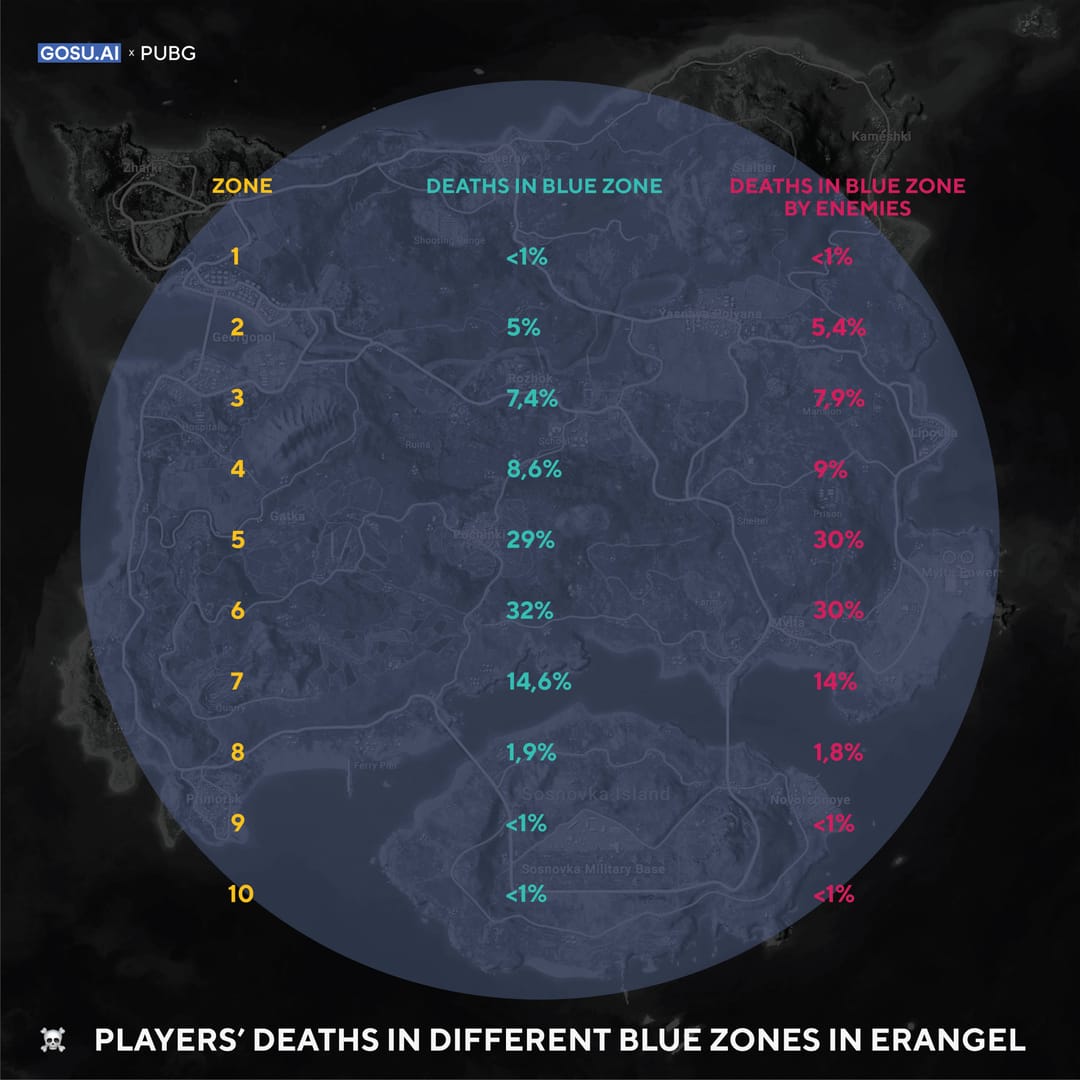
Phase timing is the foundation of competitive rotation planning.
Phase-by-phase priorities:
- Phases 1–3: Secure vehicles, complete looting, identify white circle direction. First blue closes in 5 minutes — use this window fully.
- Phases 4–5: Execute primary rotation. Zone timer compresses to 60–90 seconds per phase. Diamond Edge Strategy becomes critical: hold 50–100 meters from zone edge, not deep inside or dangerously outside.
- Phases 6–8: Abandon vehicles when fewer than 20 players remain. Shift to micro-positioning with cover spacing every 50–100 meters.
The UAZ's engine carries 125 meters. In a final circle with 15 players, that's a death sentence. Transition to foot movement in phases 6–8 and use terrain for cover.
High-Tier Vehicle Spawn Patterns Across PUBG Mobile Maps
Vehicle acquisition within the first 3 minutes separates champion-tier squads from the rest. 78% of champions secure vehicles in this window, and champion teams average 2.3 vehicles per match — secondary acquisition mid-game is standard practice, not a fallback.
Erangel and Miramar Vehicle Dynamics
On Erangel, vehicles cluster along main roads connecting major compounds, near bridges (which double as zone chokepoints), and around compound outskirts. Bridges are high-value — they provide vehicle access and natural choke control for anti-rotation plays.
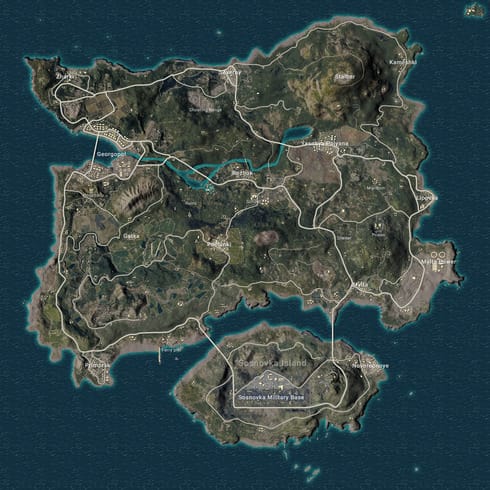
Miramar's road network is denser. The Mirado reaches 163 km/h, making it the fastest ground option for desert rotations — non-negotiable for covering Miramar's long sightlines. Miramar appears 2 times per 6-match cycle in PMWC 2025 (July 25–August 3, Riyadh), making desert rotation mastery directly relevant to competitive performance.
Sanhok, Rondo, and Livik Considerations
Sanhok's 2×2 km map with 52 players creates vehicle scarcity relative to player density. The Buggy (1,550 HP) handles off-road terrain better than road-dependent vehicles, and its lower profile offers marginal cover advantages. Matches run 10–15 minutes — early vehicle acquisition is even more critical here.
Rondo introduces the EMP Zone mechanic: EMP Zones appear before the third blue zone closes, last 15–20 minutes, and disable vehicle engines entirely. The counter is straightforward — park vehicles 200–300 meters outside EMP Zone boundaries before the third blue closes. Ignore this and you lose rotation capability at the worst possible moment.
Need UC for seasonal passes or cosmetics while grinding ranked? Discount PUBGM UC fast delivery via buffget offers competitive pricing with reliable transaction security.
Vehicle Comparison for Competitive Rotations
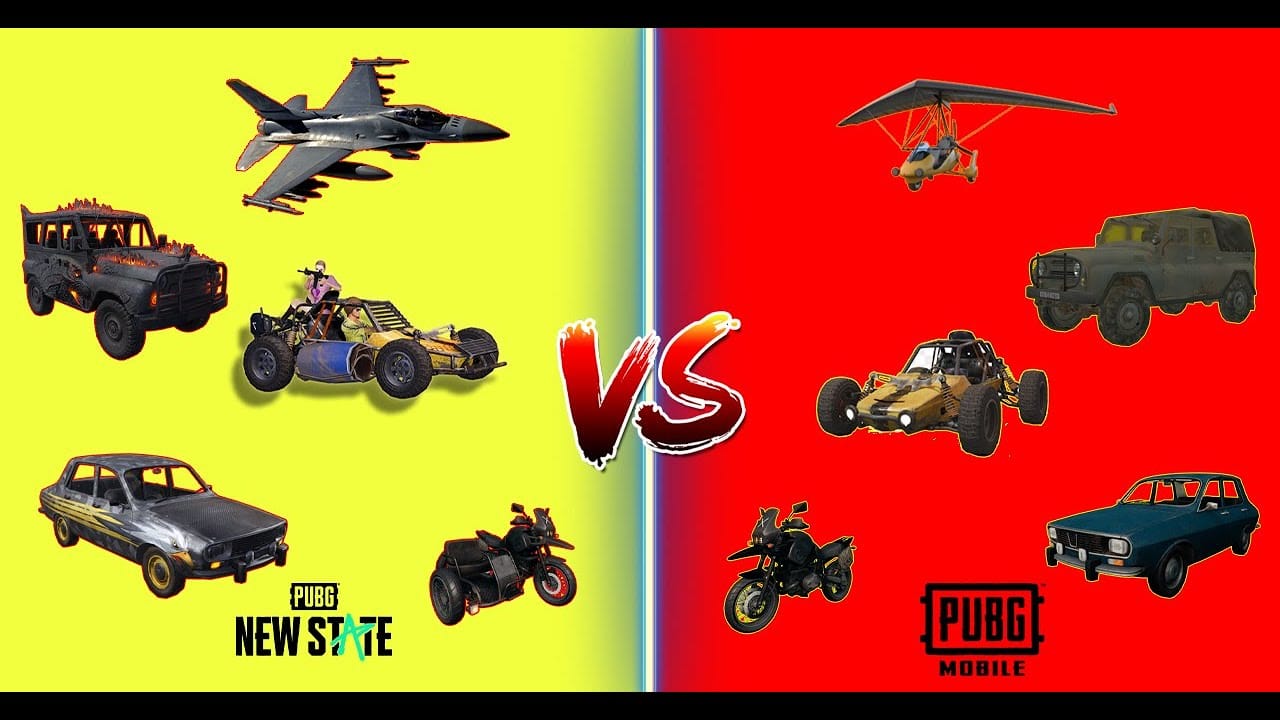
Match vehicle stats to rotation requirements — it's not about preference.
Vehicle breakdown:
- Mirado: 163 km/h — best for long-distance Miramar rotations
- BRDM-2: 3,600 HP, amphibious, requires flare gun outside safe zones — late-game fortress vehicle
- UAZ: 2,450 HP, engine noise carries 125 meters — durable but loud in final circles
- Motorcycle: 151–160 km/h, 1,000 HP — fast but fragile, best for solo/duo rotations
- Buggy: 1,550 HP — optimal for Sanhok off-road, low profile
Critical abandonment threshold: Vehicles smoke at 60% damage. Once smoking, flames follow — and vehicle flames give only 10–15 seconds before destruction. Don't wait for smoke to plan your exit. When fewer than 20 players remain, abandon vehicles regardless of HP.
Managing Vehicle Noise in Late Phases
UAZ engine noise at 125 meters hard-counters stealth rotations in phases 6–8. Experienced squads switch to motorcycles for final repositioning or go fully on foot. The Sideways Jiggle technique — left-right motion while moving — applies to foot movement too, making you harder to track during open-field rotations.
The Competitive Rotation Decision Framework
Early vs. late rotation comes down to three variables: zone phase, squad HP, loot status. High-tier players check these in sequence and decide in under 5 seconds.
Early rotation advantages:
- Establishes position before enemies arrive
- Enables ambush setup on rotation paths
- Secures vehicles, high ground, buildings
Late rotation advantages:
- Full information on enemy positions
- Enemies already engaged with each other
- Reduced open-terrain exposure time
The competitive standard: rotate to the next safe zone before the current circle finishes closing. The 30-second early principle means initiating movement when approximately 30 seconds remain in the current phase — not at zero.
Erangel appears 3 times per 6-match cycle in PMWC 2025. The standard Pochinki-to-center rotation path uses bridge chokepoints as waypoints, with cover positions established every 20–30 meters along the route.
Executing Vehicle-Free Rotations
No vehicle available? The system shifts entirely to cover management and boost item optimization. Carry 4–6 smoke grenades for open-field rotations — this isn't optional at Conqueror tier.
Smoke grenade deployment sequence:

- Identify the longest exposed stretch between your position and the zone edge
- Deploy first smoke at maximum throw distance toward travel direction
- Move to the smoke's position while the second smoke is in the air
- Repeat until reaching natural cover (rocks, buildings, terrain elevation)
- Maintain 50–100 meter cover spacing throughout
Establish protection points every 20–30 meters during foot rotations. This creates a fallback chain — you're never more than 20–30 meters from the last defensible position. Squads that bunch together during rotations create single-engagement kill opportunities for waiting enemies.
In phases 5–8, crouch while moving near enemy positions to reduce audio signature. Time movement to coincide with gunfire elsewhere on the map to mask your rotation entirely.
Map-Specific Zone Strategies for Ranked Mode
Erangel: The Pochinki Rotation Path
With Pochinki hosting 35% of final circles and 60% of endgame zones being urban, default to urban-center positioning by phase 4. Use the main road network for vehicle movement in phases 1–3, then transition to building-to-building movement as player count drops.
Miramar: High Ground and Zone Trap Avoidance
Miramar's terrain weighting favors elevated positions for zone generation — high ground priority is algorithmically advantageous, not just tactical. Zone traps occur most frequently in Miramar's canyon systems. Identify these during white circle reveal and route around them.
Sanhok, Nusa, and Fast-Shrink Adaptation
Sanhok's zones shrink faster than Erangel's, compressing decision windows. Nusa (1×1 km, 32 players) features 70% faster zones with 5–8 minute matches — rotation planning here is almost entirely instinctive. Vehicle acquisition within the first 90 seconds on Nusa is the difference between competitive placement and early elimination.
Ranked vs. Classic note: Zone algorithm behavior follows the same pseudo-random rules in both modes. Ranked players rotate more predictably toward safe positions, making anti-rotation choke holds more effective in ranked than classic.
Squad Rotation Protocols and Anti-Rotation Tactics
Pre-assign roles before the match starts:
- Driver: Vehicle acquisition and route selection
- Spotter: Monitors white circle and enemy positions during movement
- Anchor: Establishes and holds the first position inside the new zone
In-game callouts during rotation: direction, distance, threat level. North, 200 meters, vehicle moving gives actionable information in under 3 seconds.
Anti-rotation tactics work best at bridges and narrow terrain corridors. Squads positioned inside the zone at bridge approaches can deny entire rotation paths. The counter: smoke grenade coverage across the bridge width, forcing the holding squad to reposition or engage blind.
Pro tip: Jump from the plane at 750–800 meters from your target for a 5–10 second landing advantage over later jumpers. Maximum parachute dive speed reaches 234 km/h.
FAQ
Q: How does PUBG Mobile's zone algorithm decide where the next safe zone appears? A: Pseudo-randomly within the current circle's boundary, with terrain weighting avoiding impassable geography and extreme map edges. It doesn't mechanically pull toward map center every phase.
Q: When should I rotate early vs. play zone edge? A: Rotate early when loot is complete, squad HP is full, and you're outside the new zone. Play zone edge (Diamond Edge Strategy, 50–100 meters from boundary) when you have positional advantage or need enemy location information.
Q: What's the fastest vehicle for competitive rotations? A: The Mirado reaches 163 km/h on Miramar — fastest ground vehicle. Motorcycles hit 151–160 km/h with better agility for smaller maps like Sanhok.
Q: How do pro players avoid getting caught in the blue zone? A: They use the 30-second early principle (initiate movement before the phase closes), carry 4–6 smoke grenades, maintain cover positions every 20–30 meters, and use boost items to offset unavoidable zone damage.
Q: What should I do with vehicles when EMP Zones appear on Rondo? A: Park 200–300 meters outside EMP Zone boundaries before the third blue zone closes. EMP Zones disable engines and last 15–20 minutes — vehicles caught inside become useless.
Q: When should I abandon my vehicle in late-game? A: When fewer than 20 players remain, when the vehicle hits 60% damage (smoking threshold), or when entering phases 6–8 where foot movement outperforms vehicle mobility.
Ready to turn zone knowledge into real wins? Browse exclusive PUBG Mobile UC top-ups and seasonal passes on buffget — the trusted platform for players who play to win. Shop buffget now and gear up before your next ranked session.