

Recommended Discounts

IMO Diamonds
Recharge requires a mobile phone number Please include the countrv code with a + sian
10% OFF
Related articles


IMO Duke Badge 2026: Diamond Cost & Requirements Guide
Duke Badge is IMO Voice Club's top noble rank, requiring 30,000-60,000 diamonds monthly for a diamond-encrusted badge and 25-second particle entrance animation. Duke holders join the top 5% of spenders, gaining reduced posting cooldowns and enhanced room visibility. Status resets monthly on the 1st at 00:00 UTC and expires 30 days after activation.
Buffget
What is the IMO Voice Club Duke Badge?
Duke Badge is IMO's highest-tier noble rank, distinguishing elite contributors through visual prestige and functional advantages. The system operates on 1 diamond = 1 noble point, with Duke requiring 30,000-60,000 points monthly. For faster progression, IMO app diamonds online through buffget offer competitive pricing and fast delivery.
Titles activate within 5-15 minutes of reaching thresholds but expire exactly 30 days after activation. A Duke badge acquired February 1, 2026 expires March 3, 2026—continuous monthly investment required.
Duke Badge Position in Voice Club Hierarchy
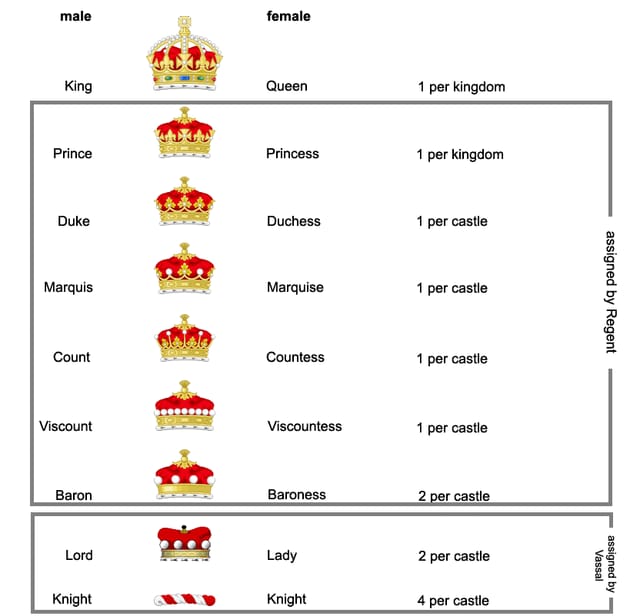
Five-tier progression structure:
- Baron: 1,000-3,000 diamonds, Bronze badge, 5-second entrance
- Viscount: 3,000-8,000 diamonds, Silver badge, enhanced entrance
- Earl: 8,000-15,000 diamonds, Gold badge, extended animation
- Marquis: 15,000-30,000 diamonds, Platinum badge, premium effects
- Duke: 30,000-60,000 diamonds, Diamond badge, 25-second particle entrance
Duke unlocks particle system technology unavailable to lower ranks.
Visual Appearance and Display Mechanics
Diamond-encrusted badge appears beside usernames in Voice Club rooms, chat, and profiles. The 25-second entrance animation features cascading particle effects versus standard 3-5 second cooldown for non-ranked users.
Extended animation establishes social status and provides reduced posting cooldowns for continuous interaction without delay periods.
Why Duke Badge Matters for Room Owners
Duke status enhances room visibility in IMO's discovery algorithms. The badge signals active investment, attracting users seeking quality Voice Club spaces.
Beyond algorithms, Duke status provides social proof influencing retention and participation rates. Rooms managed by Duke holders demonstrate commitment that encourages longer sessions and repeat visits.
Exact Diamond Spending Thresholds for Duke Badge 2026
Duke requires 30,000-60,000 diamonds within a single monthly cycle resetting on the 1st at 00:00 UTC. This represents actual expenditure through gifts or room contributions, not account balance.
Platform bonuses significantly reduce costs. Base 20% bonus on 500+ diamond packages, plus promotional 25-35% bonuses, lower cash investment needed.
Minimum Diamond Requirement for Initial Unlock
Duke activates at 30,000 diamonds—minimum monthly investment. The 60,000 upper threshold indicates spending range for additional benefits.
With February 10-14, 2026 promotions offering 25-35% bonuses on 1,000+ packages, strategic buyers reach 30,000 threshold with 22,500-24,000 actual purchases. A 10,000 package with 20% base + 30% promotional bonus yields 15,600 effective diamonds—two packages provide 31,200 diamonds.
Daily recharge limit of 10,000 diamonds creates minimum three-day timeline for 30,000 or six days for 60,000.
Monthly Spending to Maintain Duke Status
Duke expires 30 days after activation, requiring fresh 30,000-60,000 diamonds each cycle. Monthly reset on the 1st at 00:00 UTC zeros all noble points regardless of previous achievements.
Track progress through Profile > Noble Rank Statistics showing current cycle progress and days until reset.
Strategic spenders concentrate purchases during promotional windows. Three 10,000 packages during high-bonus periods yield 37,500-40,500 effective diamonds.
Cumulative vs Monthly Spending Clarification
System operates exclusively on monthly cycles, not cumulative lifetime spending. 100,000 diamonds spent in January 2026 starts February at zero noble points.
The 30-day expiration timer begins at activation, not calendar month end. Duke acquired February 15, 2026 expires March 17, 2026. Track both monthly reset for new points and personal expiration date.
Regional Variations and Currency Conversions
Diamond pricing varies by channel. Web purchases cost $1.96 per 100 diamonds versus $3.14 in-app—60% price differential.
Reaching 30,000 diamonds through web costs ~$588 versus $942 in-app. This $354 difference makes channel selection critical. Buffget provides cheap IMO diamonds recharge with secure transactions and competitive pricing.
Promotional bonuses apply universally across channels. Combine web pricing with promotional timing to minimize Duke costs.
Duke Badge Room Heat Boost Mechanics
Room heat is IMO's primary metric for visibility, ranking, and discovery placement. Duke holders contribute enhanced heat values through presence and activities.
Heat boost operates as multiplier on standard contributions rather than flat bonus. Duke holders generate amplified heat from identical actions versus non-ranked users.
Room Heat Calculation Formula Explained
Heat accumulates through messages, gifts, voice participation, and room entry/exit patterns. Each action carries base heat value contributing to total score determining category rankings.
Duke holders apply multipliers to base values—a Duke's 10-minute voice session generates more heat than identical session from Baron or unranked user.
Heat decays over time, requiring continuous activity. Duke holders provide sustained generation counteracting natural decay, maintaining visibility during low-activity periods.
Duke Badge Heat Multiplier Percentage
Duke holders consistently generate premium heat across all categories. The 25-second entrance correlates with extended heat windows versus Baron's 5-second entrance.
Reduced posting cooldown enables continuous interaction accumulating heat faster than standard 3-5 second limitations allow.
Duke represents maximum multiplier tier—ceiling-level heat generation lower ranks can't match regardless of volume.
How Heat Boost Affects Room Ranking
Discovery algorithm prioritizes high-heat rooms in listings, recommendations, and trending sections. Duke presence elevates heat scores above competitors with identical activity but lower-tier participants.
Multiple Duke holders compound advantages through cumulative multipliers. Three Duke holders generate substantially more heat than three Barons performing identical activities.
Heat-to-visibility operates on thresholds where crossing specific values triggers ranking jumps. Duke holders help rooms cross thresholds faster and maintain positions above minimums.
Comparing Heat Boosts Across All Badge Tiers
- Baron: Entry-level multipliers, modest advantages
- Viscount: Mid-tier multipliers for casual competitive rooms
- Earl: Advanced multipliers supporting serious growth
- Marquis: Premium multipliers approaching Duke-level
- Duke: Maximum multipliers, peak heat capacity
Progression shows non-linear increases with larger gaps between higher tiers. Marquis to Duke jump provides disproportionately larger advantages.
Step-by-Step Guide to Earning Duke Badge
Achieving Duke requires strategic planning across purchase timing, gift distribution, and budget allocation.
Starting from No Badge: Complete Progression Path
New players should establish Baron (1,000-3,000 diamonds) first month to understand mechanics before Duke commitment. Trial period reveals heat impacts and monthly reset implications.
Month two targets Viscount (3,000-8,000) or Earl (8,000-15,000) depending on results and budget. Intermediate tiers provide meaningful advantages while building toward Duke.
Direct Duke progression without experience risks inefficient spending and unrealistic expectations. Lower-tier experience enables informed Duke decisions.
Optimal Diamond Spending Strategy by Week
Week one: Secure base threshold through 10,000 daily limit purchases. Three consecutive days with 20-30% bonuses provide 37,500-40,500 effective diamonds, guaranteeing Duke with margin.
Week two-four: Depends on room goals. Players targeting sustained rankings distribute additional purchases throughout month for elevated heat. Minimum-investment players front-load week one then coast.
Promotional alignment maximizes bonuses. February 10-14, 2026 window offering 25-35% bonuses represents optimal timing. 30% bonus on 15,385 diamonds yields 20,000 effective—strategic players schedule Duke runs for high-bonus windows, reducing costs 20-35%.
Which Gifts Provide Best Badge Progress Value
All diamond expenditures contribute equally at 1:1 ratio. Gift selection should prioritize recipient value and engagement over badge optimization. 1,000 diamond gift provides identical points whether single large item or ten 100-diamond items.
Gift timing impacts heat patterns. Distributing throughout month maintains consistent heat versus front-loaded spikes followed by decay. Duke holders seeking sustained rankings prefer distributed patterns leveraging multipliers across extended timeframes.
Large gifts create memorable moments enhancing social status beyond mechanical badge display.
Tracking Your Progress Toward Duke Badge
Profile > Noble Rank Statistics shows current monthly totals, days until reset, and threshold proximity. Updates within 5-15 minutes of transactions.
Monitor both monthly cycle progress (resets 1st at 00:00 UTC) and personal badge expiration (30 days from activation). Independent timelines require separate tracking.
Transaction delays of 5-15 minutes mean last-minute purchases carry risk. Complete Duke renewals at least one hour before 00:00 UTC to ensure processing before reset.
Duke Badge vs Other Voice Club Badges Comparison
Five-tier system creates distinct value propositions across investment levels. Duke represents premium tier for serious participants.
Duke vs Marquis: Cost-Benefit Analysis
Marquis requires 15,000-30,000 diamonds versus Duke's 30,000-60,000—50-100% cost reduction for 80-90% of Duke's benefits. Platinum badge provides substantial heat multipliers without diamond-encrusted distinction.
Duke's primary advantages: social status perception and maximum heat multiplier. Top-tier rankings require Duke-level generation; mid-tier competitive rooms function with Marquis.
Budget-conscious players should test Marquis 2-3 months before Duke commitment. Trial reveals whether incremental advantages justify doubled spending.
Duke vs Baron: When to Make the Jump
Baron to Duke represents 10-30x investment increase (1,000-3,000 vs 30,000-60,000). Jump should only occur after establishing consistent growth, engaged community, and clear goals justifying premium investment.
New room owners should maintain Baron or Viscount 3-6 months while building audiences and testing strategies. Premature Duke investment wastes resources amplifying empty room activities.
Established owners with 50+ daily active users represent ideal Duke candidates. These rooms leverage multipliers effectively through existing volumes.
Complete Badge Tier Comparison
Baron (Bronze): 1,000-3,000 diamonds | 5-second entrance | Entry-level multiplier | Best for: New owners testing mechanics
Viscount (Silver): 3,000-8,000 diamonds | Enhanced effects | Mid-tier multiplier | Best for: Growing rooms with 20-30 daily users
Earl (Gold): 8,000-15,000 diamonds | Extended duration | Advanced multiplier | Best for: Established rooms targeting rankings
Marquis (Platinum): 15,000-30,000 diamonds | Premium effects | High-tier multiplier | Best for: Competitive rooms with 40-50 daily users
Duke (Diamond): 30,000-60,000 diamonds | 25-second particles | Maximum multiplier | Best for: Elite rooms targeting top 5% rankings
ROI Analysis for Different Player Types
Casual owners (10-20 daily users) maximize ROI at Baron or Viscount where modest multipliers provide discovery advantages without excessive commitment. Duke investment at this scale generates insufficient incremental value.
Professional operators monetizing through gifts or subscriptions justify Duke through direct revenue attribution. Rooms generating $2,000+ monthly can allocate $588-942 for Duke as customer acquisition cost.
Community leaders prioritizing social status over financial ROI find Duke worthwhile for prestige signaling. Diamond badge and 25-second entrance create memorable impressions facilitating relationship building.
Exclusive Duke Badge Benefits and Features
Duke unlocks functional advantages and social privileges unavailable to lower tiers, creating tangible value beyond visible badge.
Enhanced Room Visibility and Discovery
Duke presence signals algorithms that rooms meet quality thresholds worthy of recommendation placement. Rooms hosting Duke holders receive preferential treatment in feeds, trending, and listings versus identical rooms with lower-tier participants.
Algorithmic advantage operates independently of direct heat, functioning as quality signal influencing recommendation logic. Duke badges serve as trust indicators helping algorithms identify high-value rooms.
Visibility boost creates network effects where increased discovery leads to higher acquisition, generating more activity and heat, further improving rankings. Duke holders initiate virtuous cycles compounding over weeks.
Special Badge Animation Effects
25-second particle entrance creates unmistakable visual presence. Particle systems utilize advanced rendering unavailable to lower tiers, producing cascading effects dominating screen space.
Animation duration correlates with heat generation windows—extended 25-second effect provides longer contribution periods versus Baron's 5-second entrance.
Diamond-encrusted badge remains visible throughout all interactions, creating persistent status signaling across messages, gifts, and profiles. Omnipresent marker distinguishes Duke holders in crowded rooms.
Priority Features in Voice Club Rooms
Duke holders access reduced posting cooldowns enabling continuous interaction without standard 3-5 second delays. Critical during peak activity when conversations move quickly and delayed responses lose relevance.
Cooldown reduction applies universally across message types, voice interactions, and gifts. Duke holders maintain conversation flow lower-tier participants can't match.
Priority extends to customer support with expedited response times and dedicated assistance. Premium support ensures Duke investment protection through rapid issue resolution.
Social Status and Community Recognition
Duke establishes immediate credibility, signaling serious platform commitment. New visitors recognize Duke badges as indicators of established, well-maintained spaces.
Top 5% spender classification creates exclusivity enhancing perceived value. Duke holders join elite cohort commanding respect and influence, facilitating leadership roles.
Recognition extends platform-wide to global leaderboards, featured sections, and promotional materials showcasing top participants, creating personal branding opportunities.
Common Duke Badge Mistakes to Avoid
Duke aspirants frequently make errors wasting diamonds, delaying achievement, or creating unsustainable patterns.
Misconception About One-Time Spending
Most common mistake: treating 30,000-60,000 threshold as one-time achievement versus monthly recurring requirement. Players reaching Duke once then ceasing spending lose badge after 30 days, wasting initial investment.
Duke functions as subscription requiring consistent monthly renewal, not permanent unlock. Establish sustainable monthly budgets supporting ongoing maintenance before initial investment.
Monthly reset on 1st at 00:00 UTC means December spending provides zero January carryover. Account for Duke as recurring monthly expense, not one-time capital investment.
Inefficient Gift Distribution Patterns
Front-loading entire budget into week one creates early achievement but wastes heat potential across weeks two-four. Distribute spending throughout month to leverage multipliers across extended timeframes.
Concentrated gifts to single recipients provide identical points but reduce engagement breadth versus distributed gifts across multiple participants. Spread gifts among core members strengthening multiple relationships.
Purchasing during non-promotional periods wastes 20-35% potential bonus value. Players buying 30,000 at base rates could achieve identical Duke with 22,500-24,000 during February 10-14 promotions—$117-176 unnecessary spending.
Timing Errors That Waste Diamonds
Last-minute purchases approaching reset risk processing delays causing accumulation in new cycle versus current month. 5-15 minute processing means purchases at 23:50 UTC on 31st may not register until after 00:00 reset.
Ignoring personal expiration dates separate from monthly resets creates gaps where Duke lapses despite meeting thresholds. Player achieving Duke January 15 must renew by February 14 for continuous status, even though cycle resets February 1.
Purchasing without checking bonuses wastes 20-35% multiplier value. Consult promotional calendars and wait for high-bonus windows versus impulse purchases at base rates requiring 30-50% more cash.
Neglecting Monthly Maintenance Requirements
Duke holders achieving status then reducing engagement waste heat multiplier advantages justifying premium investment. Badge provides maximum value through active participation leveraging reduced cooldowns and enhanced generation.
Failing to track monthly progress through Profile > Noble Rank Statistics risks accidental threshold misses. Players assuming they've reached requirements without verification may discover shortfalls after reset when correction becomes impossible.
Neglecting promotional period alignment reduces long-term sustainability. Players establishing budgets based on promotional pricing then attempting renewal during non-promotional periods face 30-50% cost increases straining spending capacity.
Advanced Diamond Spending Optimization
Experienced Duke holders employ sophisticated strategies maximizing badge value while minimizing costs through bonus leverage, timing optimization, and multi-room coordination.
Leveraging Event Bonuses for Badge Progress
Seasonal events offer 25-35% bonuses creating optimal purchasing windows reducing effective Duke costs by $117-176 versus base rates. Strategic players concentrate annual buying during high-bonus periods, stockpiling through maximum daily limits.
February 10-14, 2026 promotional exemplifies ideal timing. 30% bonus on 15,385 diamonds yields 20,000 effective—two purchases provide 40,000 diamonds at substantially reduced cash cost.
Event bonuses stack with base 20% on 500+ packages, creating compound multipliers. 10,000 package with 20% base + 30% promotional yields 15,600 effective diamonds—56% bonus versus non-promotional base.
Multi-Room Strategy for Duke Badge Holders
Duke holders managing multiple rooms leverage single badge across all properties, creating economies of scale where one monthly investment supports multiple visibility boosts. Badge displays universally across all interactions.
However, heat multipliers apply only where Duke holders actively participate. Strategic operators rotate presence across properties distributing heat advantages, spending focused time in each room maximizing algorithmic benefits.
Cross-room gift distribution allows accumulating noble points while supporting multiple communities. Gifts sent in any room contribute to monthly totals, enabling Duke maintenance while building relationships across diverse segments.
Balancing Badge Spending with Other IMO Features
Duke investment should complement, not cannibalize, spending on direct growth initiatives like featured placement, promotional campaigns, or creator partnerships. Badge provides organic visibility but works best combined with paid acquisition.
Allocate 40-60% of monthly budgets to Duke maintenance while reserving 40-60% for flexible tactical spending. Balanced approach prevents Duke tunnel vision ignoring other high-ROI features.
Gift giving for noble points should target active members who reciprocate engagement versus passive recipients providing points without relationship value. Combine badge progress with community development through thoughtful distribution.
Long-Term Budget Planning for Sustained Duke Status
Annual Duke maintenance requires $7,056-11,304 through web or $11,304-18,096 in-app—substantial ongoing commitment. Establish dedicated Duke budgets separate from discretionary spending ensuring consistent renewal capacity.
Quarterly reviews assess ROI through room growth metrics, engagement rates, and revenue attribution. Rooms showing insufficient returns should consider tier reductions to Marquis or Earl providing better cost-benefit ratios.
Building 2-3 month diamond reserves during high-bonus promotions creates buffers for months with unexpected expenses or reduced income. Reserves prevent forced Duke lapses during temporary constraints wasting previous months' relationship building.
FAQ
How many diamonds do you need for Duke Badge in IMO 2026? 30,000-60,000 diamonds monthly, with 30,000 representing minimum unlock. Strategic use of promotional bonuses (25-35% during events like February 10-14, 2026) reduces actual purchase requirements to 22,500-24,000 when leveraging compound multipliers.
What happens if you stop spending after getting Duke Badge? Duke expires exactly 30 days after activation regardless of subsequent spending. Badge remains active full 30 days, but monthly resets on 1st at 00:00 UTC zero noble points, requiring fresh 30,000-60,000 investment for renewal.
How long does it take to get Duke Badge in IMO? Daily recharge limit of 10,000 diamonds creates minimum three-day timeline for 30,000 threshold. With promotional bonuses, three consecutive days of maximum purchases yield 37,500-40,500 effective diamonds, guaranteeing Duke within 72 hours.
Does Duke Badge increase room visibility in IMO? Duke holders generate enhanced room heat through multiplier effects on all activities, directly influencing algorithmic rankings in discovery feeds and listings. Badge also serves as quality signal providing preferential recommendation placement independent of direct heat contributions.
Can you lose Duke Badge status in IMO Voice Club? Duke expires 30 days after activation and monthly noble points reset to zero on 1st at 00:00 UTC. Players failing to accumulate fresh 30,000-60,000 diamonds within new cycle lose Duke status, requiring complete threshold re-achievement for renewal.
How does Duke Badge compare to Marquis Badge? Duke requires 30,000-60,000 monthly versus Marquis's 15,000-30,000—50-100% higher investment for maximum heat multipliers and exclusive diamond-encrusted badge with 25-second particle entrance. Marquis provides 80-90% of Duke's benefits at half cost, optimal for budget-conscious competitive owners.