

Recommended Discounts

Tango Live Coins
Need a Tango Live Top Up? Buy Tango Coins at Buffget for fast and secure delivery. No password required! Simply enter your Unique ID to recharge in minutes. 24/7 instant service for all your gifting needs.
20% OFF
Related articles


Tango Live PK Battle: Best Punishment Games Guide
Tango Live PK battles pit up to 4 streamers head-to-head, with viewers deciding winners through coin/diamond gifts. Winners earn a 2% diamond bonus on all battle earnings. The single biggest engagement lever? The punishment game — a pre-announced forfeit the loser performs live. Done right, it creates urgency, emotional investment, and donation surges passive streaming can't match.
Buffget
What Is a Tango Live PK Battle (And Why Punishment Games Are the Secret Weapon)
A PK battle is a live competitive format where two hosts face off and viewers support their favorite by sending virtual gifts. Those gifts convert directly into combat points — highest score when the timer expires wins. Battles run 3–10 minutes, creating a compressed, high-stakes window that naturally drives urgency.
Server conversion rates matter:
- S1, S2, S4: diamonds convert at 1:1
- S3, S6: diamonds convert at 3:1 — each gift carries triple the point weight
Winners get a 2% bonus on all diamonds earned. A draw means no winner, no bonus.
How to start a PK battle:
- Challenge a partner from an ongoing Live Party via Games → Battle
- Challenge users from a single broadcast via the same Games pathway
- Invite followed friends directly
- Accept a platform-matched random opponent
- Pre-arrange official PKs with coordinated opponents
Without a punishment game, a PK battle is just a scoreboard. With one, it's a narrative — viewers aren't just sending gifts, they're deciding what happens to a real person on camera. That shift from passive gifting to active outcome-shaping is the core psychological engine here.
For fans who need to top up fast before a battle starts, Tango Live coins instant top up by ID is available through buffget — fast, secure recharge so viewers never miss a critical donation window.
The Psychology Behind Diamond Donations in PK Battles
Emotional Stakes Drive Big Gifts
Viewers develop real loyalty to hosts they watch regularly. When that host faces humiliation in a punishment game, the stakes feel personal. Fans who'd never send a large gift during a normal stream will send the 4,500-diamond Aurora Borealis — with its 18-second full-screen animation — because the moment feels meaningful and visible.

The public nature of gifting amplifies this. When you send a high-value gift, your username appears on screen for both audiences. During a PK battle, that recognition carries social weight — you become a hero in the live room narrative.
FOMO and the Countdown Effect
The punishment game reveal creates a defined, time-limited event. Viewers arriving mid-battle who see a close scoreboard will donate to influence the outcome before the timer expires. The countdown isn't just a technical feature — it's a psychological pressure mechanism. Reference it out loud during the final 60–90 seconds. Donation velocity spikes when viewers believe the window is closing.
Anticipation Starts Before the Battle
Announcing the punishment game 30 minutes before the battle — not during it — is the single most effective pre-battle tactic. When viewers know exactly what the loser must do, they arrive with intent. Suspense builds throughout, and donation surges hit hardest in the final 90 seconds when the outcome is still uncertain.
Top Punishment Games That Drive Diamond Donations
The best punishment games are specific enough to be vivid, embarrassing enough to motivate donations, and safe enough to stay platform-compliant.
Tier 1: High-Impact Humiliation Challenges
Highest-converting formats — humor plus mild embarrassment, entertaining rather than cruel:
- Silly dance performance: Pre-agree on a specific, out-of-character dance style. The more specific, the funnier the reveal.
- Wearing a funny hat: Simple, visual, instantly readable on camera. Hosts who wear it for the rest of their stream extend the entertainment value for new viewers.
- Singing a song: Works especially well when the winning host or viewers choose the song. Talent-based punishments hit hardest when the loser isn't known for singing.
Tier 2: Audience-Voted Punishments
Let viewers vote on the punishment format before the battle begins. Viewers who voted for a specific forfeit are now personally invested in seeing it happen — which means they're more likely to donate to ensure their preferred outcome. Offer two or three pre-approved options. The voting process alone generates chat activity and viewer retention before the battle starts.
Tier 3: Talent and Performance Challenges
For hosts with performance backgrounds, punishments that require a skill performed badly — or a non-skill performed earnestly — generate strong engagement. The contrast between a polished host and an awkward forfeit is inherently entertaining.
Step-by-Step: How to Run a Punishment-Game-Driven PK Battle
Step 1: Announce 30 Minutes Before
State the punishment explicitly. Confirm both hosts agreed. Remind viewers their diamonds decide the outcome. This window is when viewers who need to top up will do so.
For fast recharges at competitive pricing, cheap Tango Live coins global recharge through buffget offers instant delivery — no viewer left unable to participate when the battle starts.
Step 2: Repeat the Punishment at Battle Start
New viewers need context. Existing viewers need the motivational reminder. Keep it vivid and specific — the loser wears this hat and sings this song for 10 minutes beats any vague forfeit description.
Step 3: Use Milestone Callouts to Sustain Momentum
Acknowledge high-value gifts immediately and connect them to scoreboard movement. That Gala Dragon just pushed us ahead — keep it going creates a direct link between individual donations and battle outcomes. Viewers who feel seen donate again.
Step 4: Deploy PK Shields Strategically
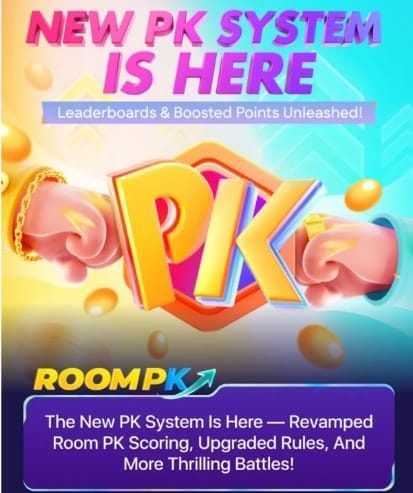
Optimal deployment window: 5–7 seconds before the PK ends. Shield tiers:
- Light Shield: 1,500–2,500 beans
- Standard Shield: 2,500–5,000 beans
- Heavy Shield: 5,000–10,000 beans
- Emergency Shield: 10,000+ beans
Read the scoreboard gap in real time. Deploying a Heavy Shield when a Light Shield suffices wastes resources. Deploying too late renders it ineffective.
Step 5: Execute the Punishment With Maximum Energy
The forfeit is the payoff for every diamond sent. Hosts who perform it with humor and commitment generate stronger post-battle loyalty than hosts who do it reluctantly. A graceful, entertaining loss often drives more donations in the next battle than a win would.
Technical Setup and Eligibility Requirements
Recommended stream settings for PK battles:
- Resolution: 720x810
- Bitrate: 1,500
- Frame rate: 15 FPS
These balance visual quality with stability during high-traffic spikes. Dropped frames during a punishment game reveal kills the moment entirely.
Official Host eligibility:
- 30 broadcast hours across 15 days monthly
- 40,000 beans monthly (US/CA markets)
Noble titles expire after 30 days without renewal. Maintaining 10+ active family members is required for rank eligibility. Enable Two-Factor Authentication at least 48 hours before any PK battle — build it into your pre-battle checklist.
Diamond Economy: Key Reference Points
- 100 diamonds ≈ $1.96 via wallet recharge
- Aurora Borealis gift: 4,500 diamonds, 18-second full-screen animation
- Gala Dragon gift: 9,999 diamonds — highest-impact single gift available
- Baron noble title: 1,000–3,000 diamonds
- King noble title: 500,000–1,000,000 diamonds
- Friendly PKs: 500–750 beans per participation regardless of outcome
- Theme PKs: 1,000 beans to losers, 2,000 beans to winners
Even a loss is financially worthwhile for hosts who participate consistently.
Common Mistakes to Avoid
- Punishments that are too mild: Low stakes give viewers no reason to donate urgently. Specificity and mild embarrassment are non-negotiable.
- Over-explaining the punishment: Announce it clearly once, then let tension build. Repeating it kills suspense.
- Ignoring community guidelines: Punishments must be consensual between both hosts and platform-compliant. Content that gets flagged costs more than any short-term donation gain.
- Failing to acknowledge donors during the battle: Real-time recognition is a core retention mechanic. Viewers who feel seen donate again in the same session.
Frequently Asked Questions
Q: What punishment games are safe and compliant with platform guidelines? Silly dances, singing songs, and wearing funny hats are the most widely used compliant formats. Both hosts must pre-agree, and content must stay within community standards. Keep punishments humorous rather than daring when in doubt.
Q: How do I get my opponent to agree on punishment terms? Pre-arrange official PKs and discuss forfeit terms in advance. Both hosts committing to the bit on camera increases credibility and viewer investment in the outcome.
Q: Can small streamers benefit from punishment game strategies? Yes. Friendly PKs reward 500–750 beans per participation regardless of audience size. The format works at any viewer count because it creates personal investment rather than requiring scale. Small streamers often see proportionally larger donation spikes due to stronger individual audience loyalty.
Q: How do I use the countdown timer to drive last-minute donations? Reference it verbally in the final 60–90 seconds. Remind viewers the scoreboard is close and the outcome is still undecided. Passive viewers respond to urgency even if they haven't donated earlier.
Q: What's the best way to announce a punishment game for maximum pre-battle hype? Announce the specific punishment 30 minutes before the battle. Include both hosts confirming terms on camera if possible — dual confirmation increases credibility and viewer investment.
Q: How does the server conversion rate affect donation strategy? S1, S2, S4 convert at 1:1. S3 and S6 convert at 3:1 — each diamond carries triple the point value. Tell your audience this. Viewers who understand their gifts have greater impact are more motivated to send them.
Ready to dominate your next PK battle? Make sure your diamond reserve is loaded before the countdown starts. Top up instantly and securely through buffget — so when the punishment game moment hits, you and your fans never miss a beat.